
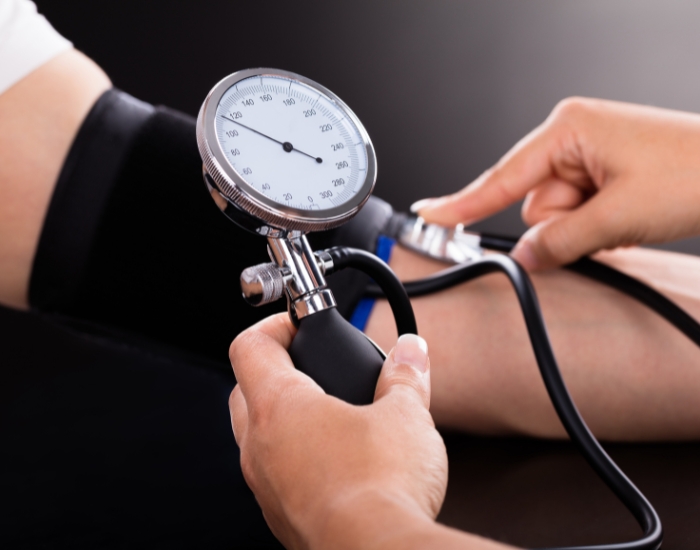
You check your blood pressure shortly after waking up and notice the numbers are higher than expected. Maybe you’ve been monitoring your readings at home because of hypertension, or perhaps your doctor recommended tracking them regularly. Either way, seeing elevated blood pressure first thing in the morning can be concerning and may leave you wondering whether something is wrong.
The truth is that blood pressure naturally changes throughout the day. In fact, many people experience a rise in blood pressure during the early morning hours. However, when those morning readings are consistently high, it may signal an underlying issue that deserves attention. Factors such as hormones, sleep quality, medication timing, stress, sleep apnea, lifestyle habits, and cardiovascular health can all influence morning blood pressure levels.
Table of Contents
- Is It Normal for Blood Pressure to Be Higher in the Morning?
- Why Does Blood Pressure Rise After Waking Up?
- What Is the Morning Blood Pressure Surge?
- Can Sleep Apnea Cause High Morning Blood Pressure?
- Stress, Anxiety, and Morning Hypertension
- Medication Timing and Morning Blood Pressure
- Lifestyle Factors That Affect Morning Readings
- When High Morning Blood Pressure May Be Dangerous
- How Doctors Evaluate Morning Hypertension
- Treatment Options
- How to Lower Morning Blood Pressure
- When to Seek Care in Katy, TX
- Frequently Asked Questions
Important Note
Many people assume blood pressure should remain the same throughout the day, but your body naturally follows daily rhythms that affect circulation, heart rate, and hormone levels. While some increase in morning blood pressure is expected, consistently elevated readings may increase cardiovascular risk over time. Understanding why this happens can help you take proactive steps to protect your health.
Is It Normal for Blood Pressure to Be Higher in the Morning?
Yes, some increase in blood pressure during the morning is completely normal. Your body follows a natural 24-hour cycle known as the circadian rhythm. During sleep, blood pressure typically drops as your heart and blood vessels enter a more relaxed state. This nighttime reduction is sometimes referred to as “dipping.”
As you approach waking, your body begins preparing for the day ahead. Hormones such as cortisol, adrenaline, and norepinephrine start increasing. Heart rate gradually rises, blood vessels become more responsive, and blood pressure begins climbing to help you transition from sleep to activity.
This physiological response helps ensure that your brain, muscles, and organs receive adequate blood flow once you get out of bed and begin moving around.
However, while a modest rise is expected, excessively high morning blood pressure may indicate an increased risk of cardiovascular complications. Research has shown that heart attacks, strokes, and other cardiovascular events occur more frequently during the early morning hours, making morning blood pressure an important aspect of overall health monitoring.
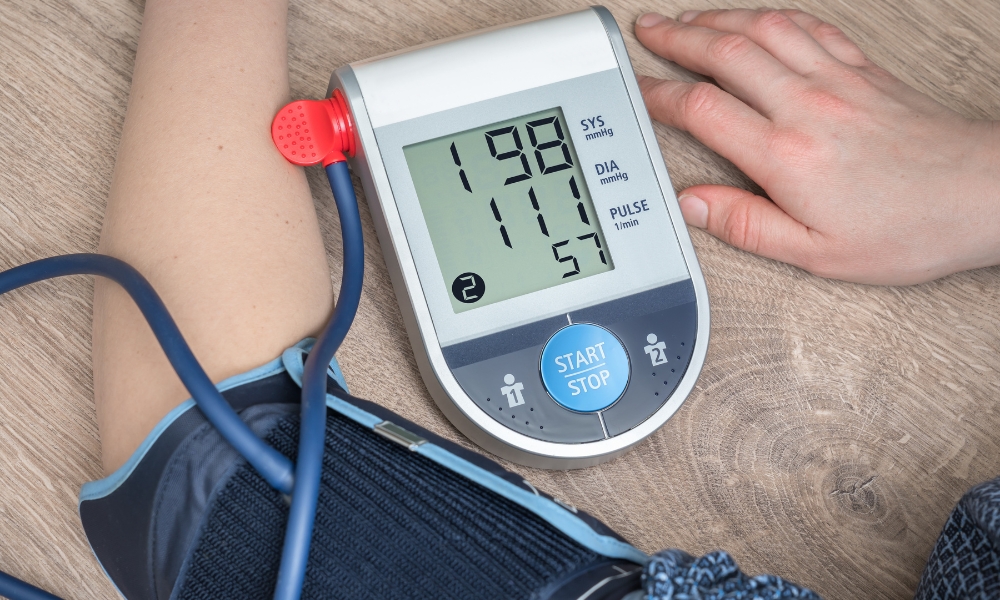
Why Does Blood Pressure Rise After Waking Up?
Several biological mechanisms contribute to higher blood pressure during the morning hours.
One of the primary factors involves hormone production. Cortisol, often called the stress hormone, naturally rises before waking. This increase helps boost alertness and energy levels. At the same time, adrenaline levels increase, stimulating the cardiovascular system.
These hormonal changes cause blood vessels to constrict slightly and encourage the heart to pump more efficiently. As a result, blood pressure naturally rises.
Physical movement also plays a role. Even simple activities such as sitting up, standing, walking to the bathroom, or preparing breakfast require your circulatory system to adapt quickly. Blood pressure increases to support these demands.
For healthy individuals, this process occurs smoothly and remains within a normal range. Problems arise when underlying conditions amplify this normal morning rise.
Individuals with hypertension, diabetes, obesity, sleep disorders, kidney disease, or cardiovascular disease may experience a more pronounced morning increase than expected.
What Is the Morning Blood Pressure Surge?
Healthcare providers often refer to a significant early morning increase in blood pressure as the “morning blood pressure surge.”
This term describes the transition from lower nighttime blood pressure to higher daytime levels. While everyone experiences some degree of morning surge, excessive increases may place additional strain on the cardiovascular system.
The concern is not simply the blood pressure number itself. Rather, it is the rapid change occurring within a relatively short period.
Imagine blood vessels that have been relaxed overnight suddenly experiencing increased pressure as hormones rise and physical activity begins. Over time, repeated exposure to excessive morning surges may contribute to damage affecting blood vessels, the heart, kidneys, and brain.
Studies have linked exaggerated morning blood pressure surges to increased risks of:
- Stroke
- Heart attack
- Heart failure
- Kidney disease progression
- Cardiovascular complications
This is one reason healthcare providers often recommend checking blood pressure both in the morning and evening when evaluating hypertension management.
Can Sleep Apnea Cause High Morning Blood Pressure?
Absolutely. Sleep apnea is one of the most common yet frequently overlooked causes of elevated morning blood pressure.
Obstructive sleep apnea occurs when breathing repeatedly stops and starts during sleep. These interruptions may happen dozens or even hundreds of times each night. Each episode temporarily reduces oxygen levels and places stress on the cardiovascular system.
In response, the body releases stress hormones and activates survival mechanisms designed to restore normal breathing. Unfortunately, these repeated stress responses can contribute to chronic blood pressure elevation.
Many people with sleep apnea notice that their blood pressure is highest shortly after waking.
Common symptoms of sleep apnea include:
- Loud snoring
- Daytime fatigue
- Morning headaches
- Poor concentration
- Frequent nighttime awakenings
- Excessive daytime sleepiness
Patients experiencing both fatigue and elevated blood pressure may benefit from evaluation for sleep disorders, particularly if symptoms have persisted for an extended period.
Stress, Anxiety, and Morning Hypertension
The way you start your day can significantly affect your blood pressure.
Many individuals wake up immediately thinking about responsibilities, deadlines, financial concerns, family obligations, or other stressors. Even before getting out of bed, the nervous system may become activated.
Stress hormones such as cortisol and adrenaline naturally peak during the morning hours. If chronic stress or anxiety is already present, these hormonal responses may become amplified.
This can lead to:
- Elevated blood pressure
- Rapid heart rate
- Muscle tension
- Headaches
- Feelings of nervousness
- Poor sleep quality
Over time, chronic stress can contribute not only to temporary blood pressure spikes but also to long-term cardiovascular risk.
Patients experiencing significant emotional stress may benefit from discussing concerns related to anxiety and depression, as mental and physical health are closely connected.
Important Note
If you’ve noticed higher blood pressure readings in the morning, try not to panic. In many cases, factors such as sleep quality, medication timing, stress levels, and lifestyle habits play an important role. While some causes are relatively simple to address, consistent elevations deserve medical attention because they may signal an increased risk for future cardiovascular problems.
Could Your Blood Pressure Medication Be Wearing Off Overnight?
Medication timing is another important factor that can influence morning blood pressure readings.
Some blood pressure medications may not provide full 24-hour coverage for every individual. If the medication’s effect begins to wear off overnight, blood pressure may rise before the next scheduled dose.
This phenomenon is sometimes referred to as the “morning breakthrough effect.”
Patients may notice that their morning readings are consistently higher than readings taken later in the day. In some cases, healthcare providers adjust medication timing, dosage, or treatment plans to improve blood pressure control throughout the entire day and night.
However, medication changes should never be made without professional guidance. Monitoring patterns over time can provide valuable information for your healthcare provider.
Lifestyle Factors That Can Raise Blood Pressure in the Morning
While medical conditions often contribute to morning hypertension, everyday lifestyle habits can also play a significant role. Sometimes the reason your blood pressure is highest when you wake up has less to do with a serious disease and more to do with how your body is responding to daily routines.
One of the most common contributors is excess sodium intake. When you consume large amounts of salt, your body tends to retain more fluid. This extra fluid increases the volume of blood circulating through your blood vessels, which can elevate blood pressure.
Many people consume much more sodium than they realize. Processed foods, canned soups, frozen meals, fast food, packaged snacks, and restaurant meals often contain significant amounts of hidden sodium.
Eating a high-sodium dinner may contribute to elevated blood pressure the following morning, especially in individuals who are salt-sensitive.
Caffeine can also influence morning readings. Coffee, energy drinks, pre-workout supplements, and certain sodas may cause temporary increases in blood pressure. While the effect varies from person to person, some individuals are particularly sensitive to caffeine’s cardiovascular effects.
Alcohol is another important factor. Although some people believe alcohol helps them sleep, it often disrupts normal sleep architecture. Poor sleep quality combined with alcohol-related changes in blood pressure regulation can contribute to higher morning readings.
Smoking and nicotine use deserve special attention as well. Nicotine causes blood vessels to constrict and stimulates the release of stress hormones, both of which can elevate blood pressure.
Even dehydration may contribute. When the body lacks adequate fluids, blood vessels can become less flexible, making blood pressure regulation more challenging.
How Diabetes and Blood Sugar Levels Affect Morning Blood Pressure
Blood pressure and blood sugar regulation are closely connected.
People living with diabetes frequently experience hypertension as well. In fact, these conditions often occur together because they share many underlying risk factors, including obesity, inflammation, insulin resistance, and cardiovascular disease.
When blood sugar remains elevated over time, damage can occur within blood vessels. This damage affects how blood vessels expand and contract, making blood pressure regulation more difficult.
Some individuals also experience hormonal changes during the early morning hours that affect both blood sugar and blood pressure simultaneously. This phenomenon can lead to elevated readings shortly after waking.
Patients who notice morning hypertension along with symptoms such as excessive thirst, frequent urination, fatigue, blurry vision, or unexplained weight changes may benefit from diabetes screening and comprehensive diabetes management.
Proper blood sugar control often contributes to improved cardiovascular health and better blood pressure management overall.
Can Excess Weight Contribute to High Morning Blood Pressure?
Yes. Obesity is one of the strongest risk factors for hypertension, including elevated morning blood pressure.
Excess body weight places additional demands on the cardiovascular system. The heart must work harder to circulate blood throughout the body, and blood vessels may become less responsive over time.
Obesity also increases the likelihood of developing conditions that commonly contribute to morning hypertension, including:
- Sleep apnea
- Type 2 diabetes
- High cholesterol
- Chronic inflammation
- Heart disease
Many patients are surprised to learn that even modest weight loss can have a meaningful impact on blood pressure levels. Improvements in nutrition, physical activity, sleep quality, and metabolic health often work together to support healthier blood pressure patterns.
Individuals seeking guidance may benefit from services related to obesity management and preventive primary care.
The Relationship Between Kidney Health and Morning Hypertension
Your kidneys play a central role in blood pressure regulation.
These organs help control fluid balance, sodium levels, and hormone systems that influence blood pressure. When kidney function becomes impaired, blood pressure often rises.
In some cases, hypertension develops because of kidney disease. In other situations, uncontrolled hypertension damages the kidneys over time. This creates a cycle in which each condition can worsen the other.
Morning blood pressure elevations may sometimes be an early clue that kidney function deserves closer evaluation, particularly when other risk factors are present.
Patients with diabetes, long-standing hypertension, cardiovascular disease, or a family history of kidney disease may require more comprehensive monitoring.
Important Note
High blood pressure often develops silently. Many people feel completely normal despite having significantly elevated readings. This is why routine monitoring is so important. Discovering a pattern of high morning blood pressure may provide valuable information long before symptoms or complications develop.
What Symptoms Can Occur With High Morning Blood Pressure?
One of the challenges of hypertension is that it frequently produces no noticeable symptoms.
Many individuals have elevated blood pressure for years without realizing it. However, some people do experience symptoms, particularly when blood pressure becomes significantly elevated.
Possible symptoms may include:
- Morning headaches
- Dizziness
- Blurred vision
- Facial flushing
- Heart palpitations
- Shortness of breath
- Fatigue
- Chest discomfort
Morning headaches deserve particular attention because they are commonly associated with both hypertension and sleep apnea.
It’s important to understand that symptoms alone are not reliable indicators of blood pressure levels. Some individuals experience severe hypertension without any symptoms at all, while others may notice symptoms with relatively modest elevations.
When Does High Morning Blood Pressure Become Dangerous?
Occasional fluctuations are normal, but consistently elevated morning readings should not be ignored.
The greatest concern involves the cumulative effect of high blood pressure on blood vessels and organs over time. Persistent hypertension increases the risk of:
- Heart attack
- Stroke
- Heart failure
- Kidney disease
- Vision loss
- Peripheral artery disease
- Cognitive decline
Healthcare providers become particularly concerned when morning blood pressure remains elevated despite treatment or when readings consistently exceed recommended targets.
A hypertensive crisis is considered a medical emergency and may occur when blood pressure rises to extremely high levels.
Seek immediate medical attention if elevated blood pressure occurs alongside:
- Chest pain
- Severe shortness of breath
- Sudden weakness or numbness
- Difficulty speaking
- Confusion
- Vision loss
- Severe headache
These symptoms may indicate a serious cardiovascular event requiring urgent evaluation.
Why Cardiovascular Risk Is Higher in the Morning
Researchers have observed for many years that heart attacks and strokes occur more frequently during the morning hours.
Several factors likely contribute to this pattern.
Blood pressure rises naturally during the morning. Heart rate increases. Stress hormone levels peak. Blood clotting activity may also increase during this time.
Together, these changes create a period of heightened cardiovascular demand.
For healthy individuals, the body usually manages this transition without difficulty. However, people with existing cardiovascular disease, uncontrolled hypertension, diabetes, or significant risk factors may be more vulnerable.
This is why ongoing cardiovascular monitoring and preventive care are so important. Patients with known hypertension often benefit from regular follow-up through services such as hypertension management, cholesterol treatment, and heart disease follow-up care.
How Doctors Evaluate High Morning Blood Pressure
If your morning blood pressure readings are consistently elevated, your healthcare provider will likely begin by looking for patterns rather than focusing on a single number.
You may be asked to record your blood pressure at different times throughout the day for several days or weeks. These measurements can help identify whether the issue is isolated to the morning or part of a broader blood pressure management concern.
Your provider may review:
- Home blood pressure logs
- Medication schedules
- Sleep habits
- Dietary patterns
- Exercise routines
- Stress levels
- Family history
- Medical conditions
Depending on your symptoms and risk factors, additional testing may be recommended to evaluate cardiovascular health, kidney function, diabetes, thyroid disorders, and sleep-related conditions.
Treatment Options for High Morning Blood Pressure
The most effective treatment for high morning blood pressure depends on the underlying cause. Because morning hypertension can result from several different factors, there is rarely a one-size-fits-all solution.
If sleep apnea is contributing to elevated readings, treating the sleep disorder may significantly improve blood pressure control. If medication timing is an issue, your healthcare provider may adjust when medications are taken or consider different treatment options that provide more consistent coverage throughout the day and night.
For individuals with diabetes, obesity, kidney disease, or cardiovascular conditions, managing the underlying health issue often plays a critical role in improving blood pressure patterns.
Many patients benefit from a combination of approaches, including medication management, lifestyle modifications, improved sleep quality, dietary improvements, stress reduction, and regular monitoring.
The goal is not simply lowering blood pressure numbers. The objective is reducing long-term cardiovascular risk while supporting overall health and wellness.
How to Lower Morning Blood Pressure Naturally
While some patients require medication, healthy lifestyle habits remain one of the most powerful tools for improving blood pressure control.
Reducing sodium intake is often one of the first recommendations. Limiting processed foods and focusing on fresh vegetables, fruits, lean proteins, and whole grains may help lower blood pressure over time.
Regular physical activity supports cardiovascular health and helps improve blood vessel function. Even moderate exercise such as brisk walking can make a meaningful difference.
Improving sleep quality is equally important. Addressing sleep apnea, maintaining a consistent sleep schedule, and creating healthy bedtime habits can support more stable overnight blood pressure patterns.
Stress management also plays a major role. Techniques such as mindfulness, meditation, deep breathing exercises, and regular physical activity may help reduce stress-related blood pressure elevations.
Other helpful strategies include:
- Maintaining a healthy weight
- Limiting alcohol consumption
- Avoiding tobacco products
- Staying hydrated
- Managing diabetes effectively
- Following prescribed treatment plans
- Attending routine medical checkups
Many patients see gradual improvements when several of these strategies are combined consistently over time.

What Is the Best Time to Check Blood Pressure?
If you’re monitoring blood pressure at home, consistency is important.
Healthcare providers often recommend checking blood pressure shortly after waking but before consuming caffeine, eating breakfast, smoking, or taking medications unless instructed otherwise.
Try to sit quietly for several minutes before measuring your blood pressure. Use the same arm each time and follow the instructions provided with your monitor.
Many providers also recommend taking a second reading later in the evening. Comparing morning and evening measurements can help identify trends and provide a more complete picture of blood pressure control.
Single readings are less important than overall patterns. Tracking measurements over days and weeks often provides the most useful information.
Important Note
Seeing one high reading can be alarming, but blood pressure naturally fluctuates throughout the day. Rather than focusing on a single measurement, pay attention to consistent trends. If morning readings remain elevated or continue rising despite healthy habits, discussing the pattern with your healthcare provider is the safest approach.
Why Early Blood Pressure Control Matters
High blood pressure is often called the “silent killer” because serious damage can occur long before symptoms develop.
Over time, uncontrolled hypertension places excessive strain on blood vessels throughout the body. This damage can affect the heart, brain, kidneys, eyes, and circulatory system.
The encouraging news is that blood pressure is one of the most manageable cardiovascular risk factors. Early detection, consistent monitoring, and proper treatment can dramatically reduce the likelihood of future complications.
Even modest improvements in blood pressure can provide meaningful benefits for long-term health.
By understanding why your blood pressure may be elevated in the morning, you can work with your healthcare provider to identify contributing factors and develop an individualized plan for better cardiovascular wellness.
When to Seek Care for High Morning Blood Pressure in Katy, TX
If you’ve noticed a pattern of elevated morning blood pressure readings, scheduling an evaluation can help determine whether an underlying issue is contributing to the problem.
Patients throughout Katy, Fulshear, Richmond, and nearby West Houston communities often benefit from a comprehensive assessment that examines sleep quality, medication effectiveness, cardiovascular risk factors, lifestyle habits, and overall health.
A primary care provider can evaluate whether your morning hypertension is related to conditions such as sleep apnea, diabetes, obesity, thyroid disease, kidney concerns, or cardiovascular disease.
Regular monitoring through primary care services allows potential issues to be identified early, often before significant complications develop.
Patients with established hypertension may also benefit from ongoing hypertension management and preventive cardiovascular care.
Frequently Asked Questions About High Morning Blood Pressure
Why is my blood pressure highest in the morning?
Blood pressure naturally rises during the early morning hours due to hormonal changes, increased heart rate, and the body’s transition from sleep to wakefulness. However, consistently high readings may indicate an underlying issue.
Is morning hypertension dangerous?
It can be. Persistent morning hypertension has been associated with increased risks of stroke, heart attack, and other cardiovascular complications, especially if left untreated.
Can sleep apnea cause high blood pressure in the morning?
Yes. Sleep apnea is one of the most common causes of elevated morning blood pressure because repeated breathing interruptions place stress on the cardiovascular system throughout the night.
Should I take my blood pressure medication at night?
Some patients may benefit from nighttime dosing, but medication schedules should only be adjusted under the guidance of a healthcare provider.
Can anxiety cause high blood pressure in the morning?
Yes. Stress and anxiety can increase cortisol and adrenaline levels, contributing to elevated blood pressure shortly after waking.
What should I do if my blood pressure is high every morning?
Track your readings consistently and discuss the pattern with your healthcare provider. Persistent elevations may require further evaluation or treatment adjustments.
Can dehydration affect morning blood pressure?
Yes. Dehydration can influence blood pressure regulation and may contribute to abnormal readings in some individuals.
When should I seek emergency care for high blood pressure?
Seek immediate medical attention if extremely high blood pressure occurs alongside chest pain, severe headache, difficulty speaking, sudden weakness, vision changes, or shortness of breath.
Final Thoughts
If you’ve been wondering, “Why is my blood pressure high in the morning?” the answer may involve a combination of natural body rhythms, lifestyle habits, sleep quality, medication timing, and underlying health conditions.
While some increase in blood pressure after waking is normal, consistently elevated morning readings deserve attention. Monitoring patterns, addressing risk factors, and seeking appropriate medical guidance can help protect your long-term cardiovascular health.
The earlier hypertension is recognized and managed, the greater the opportunity to reduce future complications and maintain a healthier, more active life.
Medical Disclaimer: This article is intended for educational purposes only and should not replace professional medical advice, diagnosis, or treatment. If you have concerns about your blood pressure or cardiovascular health, consult a qualified healthcare provider. Seek emergency medical attention for symptoms such as chest pain, severe shortness of breath, stroke symptoms, or hypertensive crisis.