
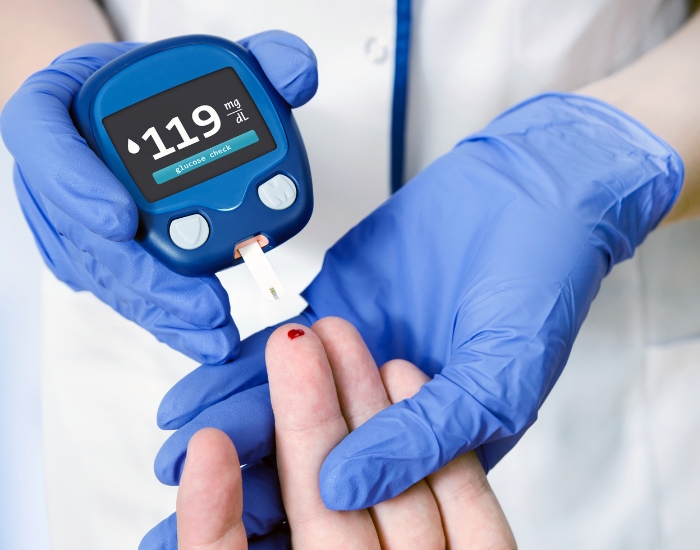
You got a full night’s sleep. You drank your morning coffee. Yet by mid-morning, your eyelids feel heavy, your concentration starts slipping, and all you can think about is taking a nap. If this sounds familiar and you have diabetes—or suspect you might—it is reasonable to wonder whether the two are connected.
The short answer is yes. Diabetes can absolutely make you feel sleepy, tired, sluggish, and mentally drained. In fact, fatigue is one of the most common symptoms associated with both diagnosed and undiagnosed diabetes. Many people describe it as a persistent lack of energy that doesn’t improve even after resting.
However, the relationship between diabetes and sleepiness is more complex than many realize. High blood sugar, low blood sugar, insulin resistance, dehydration, sleep disorders, medication effects, and diabetes-related complications can all contribute to daytime drowsiness.
Understanding why diabetes affects energy levels can help you recognize warning signs early and take steps to improve both your health and quality of life.
Table of Contents
- Can Diabetes Really Make You Sleepy?
- Why Does Diabetes Cause Fatigue?
- Can High Blood Sugar Make You Sleepy?
- Can Low Blood Sugar Make You Sleepy?
- The Role of Insulin Resistance
- Diabetes and Dehydration
- Can Prediabetes Cause Fatigue?
- Sleep Disorders and Diabetes
- When Sleepiness May Signal a Problem
- How Doctors Evaluate Diabetes-Related Fatigue
- Treatment Options
- How to Improve Energy Levels
- When to Seek Care in Katy, TX
- Frequently Asked Questions
Important Note
Feeling sleepy occasionally is normal. Feeling exhausted every day is different. Persistent fatigue can sometimes be an early warning sign of diabetes, prediabetes, or another underlying medical condition. Understanding the cause of your symptoms may help you address health concerns before more serious complications develop.
Can Diabetes Really Make You Sleepy?
Yes. Diabetes can affect the body’s ability to properly use and regulate glucose, which is one of the primary sources of energy for your cells.
When blood sugar levels become too high or too low, the body’s energy systems may not function efficiently. As a result, many people experience fatigue, daytime sleepiness, brain fog, reduced concentration, and a general sense of exhaustion.
Some people describe the feeling as constantly running on low battery power. Others say they feel physically drained, mentally sluggish, or unusually sleepy throughout the day.
Sleepiness related to diabetes can occur in both Type 1 and Type 2 diabetes. It may also affect individuals who have not yet been diagnosed and are living with prediabetes or insulin resistance.
Importantly, diabetes-related fatigue is not simply about feeling tired after a busy day. Many patients report persistent exhaustion that interferes with work, family life, exercise, and daily activities.
Why Does Diabetes Cause Fatigue?
To understand why diabetes can make you sleepy, it helps to understand how the body normally produces energy.
Glucose from food enters the bloodstream and is transported into cells with the help of insulin. Once inside the cells, glucose is converted into energy that powers muscles, organs, and the brain.
When diabetes interferes with this process, cells may struggle to access and use glucose efficiently. Even when blood sugar levels are high, cells can effectively become energy-starved.
This mismatch creates a situation where plenty of glucose is circulating in the bloodstream, but the body still feels fatigued.
Several diabetes-related mechanisms contribute to fatigue, including:
- High blood sugar levels
- Low blood sugar episodes
- Insulin resistance
- Inflammation
- Dehydration
- Poor sleep quality
- Hormonal changes
- Diabetes complications
For some individuals, fatigue becomes one of the earliest symptoms that something is wrong.

Can High Blood Sugar Make You Sleepy?
Absolutely. High blood sugar, also called hyperglycemia, is one of the most common reasons people with diabetes feel tired and sleepy.
When blood sugar levels remain elevated, the body works harder to remove excess glucose from the bloodstream. This process places stress on multiple systems throughout the body.
High blood sugar may cause:
- Fatigue
- Sleepiness
- Brain fog
- Difficulty concentrating
- Increased thirst
- Frequent urination
- Headaches
- Blurred vision
One reason hyperglycemia causes fatigue is that excess glucose pulls fluid from tissues. This can contribute to dehydration, which itself causes tiredness and weakness.
Additionally, when cells are unable to efficiently use glucose, energy production suffers despite high sugar levels in the blood.
Many patients notice they feel particularly sleepy after meals when blood sugar spikes occur.
Others experience a general sense of sluggishness that persists throughout the day until blood sugar control improves.
Can Low Blood Sugar Make You Sleepy?
Yes. Low blood sugar, or hypoglycemia, can also cause significant fatigue and drowsiness.
Unlike hyperglycemia, which develops when blood sugar becomes too high, hypoglycemia occurs when glucose levels drop below what the body needs to function properly.
Because glucose is the brain’s primary fuel source, low blood sugar can affect both physical and mental performance very quickly.
Symptoms may include:
- Sudden fatigue
- Sleepiness
- Weakness
- Dizziness
- Sweating
- Trembling
- Irritability
- Confusion
- Difficulty concentrating
Some people experience overwhelming exhaustion following a hypoglycemic episode. Even after blood sugar returns to normal, it may take time for energy levels to fully recover.
This is one reason why maintaining stable blood sugar is often just as important as avoiding excessively high readings.
The Role of Insulin Resistance in Feeling Tired
Insulin resistance is a major contributor to fatigue, particularly among individuals with prediabetes and Type 2 diabetes.
When cells become resistant to insulin, glucose has a harder time entering the cells where it can be used for energy. The pancreas compensates by producing more insulin, but over time this process becomes less effective.
The result is often a combination of elevated blood sugar, metabolic stress, and reduced energy production.
People with insulin resistance frequently report:
- Afternoon energy crashes
- Difficulty staying awake after meals
- Brain fog
- Poor concentration
- Persistent fatigue
- Increased hunger
Insulin resistance may develop years before diabetes is formally diagnosed, which is why chronic fatigue sometimes serves as an early warning sign.
Individuals experiencing persistent tiredness alongside weight gain or metabolic concerns may benefit from diabetes screening to determine whether abnormal blood sugar regulation is contributing to symptoms.
Important Note
If you’ve been feeling unusually sleepy, don’t immediately assume diabetes is the cause. Fatigue can result from many different conditions, including sleep disorders, thyroid disease, anemia, stress, depression, and cardiovascular problems. However, persistent fatigue should never be ignored because it often provides valuable clues about your overall health.
How Diabetes-Related Dehydration Contributes to Sleepiness
One of the lesser-known causes of diabetes-related fatigue is dehydration.
When blood sugar levels become elevated, the kidneys work harder to remove excess glucose through urine. This process increases fluid loss and can lead to dehydration if fluids are not replaced adequately.
Even mild dehydration may cause:
- Fatigue
- Drowsiness
- Headaches
- Dizziness
- Poor concentration
- Weakness
Many people do not realize that chronic dehydration can contribute significantly to their daily energy levels.
Patients with uncontrolled diabetes often notice both increased thirst and increased fatigue occurring together.
Proper hydration is important, but addressing the underlying blood sugar imbalance is equally critical.
Can Prediabetes Cause Fatigue and Sleepiness?
Yes. Many people are surprised to learn that fatigue can begin long before diabetes is officially diagnosed.
Prediabetes occurs when blood sugar levels are higher than normal but not yet high enough to meet the criteria for Type 2 diabetes. During this stage, insulin resistance is often already present, meaning the body’s cells are not responding efficiently to insulin.
As a result, glucose may not enter cells as effectively as it should. This can lead to fluctuations in energy levels and contribute to feelings of tiredness, sluggishness, and daytime sleepiness.
Some individuals with prediabetes notice symptoms such as:
- Low energy throughout the day
- Increased hunger
- Difficulty concentrating
- Afternoon energy crashes
- Weight gain
- Increased thirst
- Frequent urination
Because prediabetes often develops gradually, many people attribute these symptoms to stress, aging, or a busy lifestyle. Unfortunately, this can delay diagnosis and treatment.
Early screening can help identify blood sugar abnormalities before diabetes develops, allowing patients to make lifestyle changes that may significantly reduce future health risks.
Sleep Disorders and Diabetes: A Hidden Connection
Not all diabetes-related sleepiness comes directly from blood sugar levels.
People with diabetes are more likely to develop certain sleep disorders, particularly obstructive sleep apnea. Sleep apnea causes repeated pauses in breathing during sleep, which prevents the body from achieving restorative rest.
Each interruption forces the brain to partially wake the body in order to resume breathing. While many individuals never remember these episodes, they may occur dozens or even hundreds of times each night.
As a result, people often wake up feeling exhausted regardless of how many hours they spent in bed.
Common signs of sleep apnea include:
- Loud snoring
- Morning headaches
- Daytime sleepiness
- Poor concentration
- Memory problems
- Irritability
- Frequent nighttime awakenings
Sleep apnea is particularly common among individuals with Type 2 diabetes and obesity. Untreated sleep apnea may worsen insulin resistance and make blood sugar management more difficult.
Patients experiencing chronic fatigue may benefit from evaluation for sleep disorders, especially when daytime sleepiness persists despite adequate sleep.

How Obesity Can Contribute to Fatigue in Diabetes
Obesity, diabetes, and fatigue often occur together.
Excess body weight increases the body’s energy demands and can affect nearly every organ system. The heart works harder, breathing may become less efficient, and inflammation levels often rise.
Many individuals with obesity also experience insulin resistance, which can contribute to unstable energy levels throughout the day.
Additionally, obesity significantly increases the risk of sleep apnea, creating another pathway through which fatigue may develop.
The relationship is often cyclical. Fatigue makes physical activity more difficult. Reduced activity may contribute to further weight gain. Additional weight can worsen insulin resistance and sleep quality, leading to even greater fatigue.
Breaking this cycle often requires a comprehensive approach that addresses nutrition, sleep, blood sugar control, physical activity, and overall health.
Patients seeking support may benefit from services related to obesity management and preventive primary care.
Can Diabetes Complications Make You Feel More Tired?
Yes. Over time, diabetes-related complications can contribute significantly to fatigue and low energy levels.
When blood sugar remains elevated for prolonged periods, multiple organ systems may be affected. As complications develop, energy production and physical functioning can decline.
Some diabetes-related complications associated with fatigue include:
- Kidney disease
- Heart disease
- Nerve damage
- Circulatory problems
- Vision problems
- Chronic inflammation
For example, kidney disease may lead to anemia, which reduces the body’s ability to transport oxygen efficiently. This can result in significant fatigue.
Heart disease may reduce circulation and oxygen delivery to tissues, causing individuals to feel exhausted during activities that once felt easy.
Chronic inflammation associated with diabetes can also contribute to feelings of tiredness and decreased physical stamina.
This is one reason why ongoing diabetes management is so important. Preventing complications often helps preserve long-term energy and overall quality of life.
The Emotional Side of Diabetes Fatigue
Living with diabetes requires constant decision-making. Monitoring blood sugar, managing medications, planning meals, attending appointments, and thinking about long-term health can be mentally exhausting.
Some individuals experience what healthcare professionals sometimes call “diabetes burnout.” This refers to the emotional fatigue that can develop when managing a chronic condition over an extended period.
Anxiety and depression are also more common among people living with diabetes. Both conditions can contribute to:
- Low energy
- Daytime sleepiness
- Difficulty concentrating
- Reduced motivation
- Sleep disturbances
When evaluating persistent fatigue, healthcare providers often consider both physical and emotional health because the two are closely connected.
Patients experiencing ongoing mood changes may benefit from discussing concerns related to anxiety and depression as part of a comprehensive care plan.
Important Note
Feeling sleepy does not automatically mean your diabetes is worsening. Many causes of fatigue are manageable and treatable. Sleep quality, hydration, nutrition, stress levels, medications, and blood sugar control all influence energy levels. The key is identifying the underlying reason rather than simply trying to push through exhaustion every day.
When Should You Be Concerned About Sleepiness?
Occasional fatigue is normal. Persistent sleepiness that interferes with daily life is different.
You should consider medical evaluation if you experience:
- Fatigue lasting several weeks or longer
- Difficulty staying awake during normal activities
- Excessive daytime sleepiness
- Sudden changes in energy levels
- Frequent blood sugar fluctuations
- Morning headaches
- Unexplained weight changes
- Increased thirst and urination
- Shortness of breath
- Dizziness or weakness
These symptoms may indicate uncontrolled diabetes, sleep apnea, cardiovascular disease, thyroid disorders, anemia, or another underlying health issue that deserves attention.
Could Something Other Than Diabetes Be Making You Sleepy?
Absolutely.
While diabetes is a common cause of fatigue, it is far from the only one. Many medical conditions can produce similar symptoms.
Other potential causes include:
- Thyroid disorders
- Anemia
- Sleep apnea
- Heart disease
- Chronic stress
- Depression
- Vitamin deficiencies
- Chronic infections
- Certain medications
Because symptoms often overlap, professional evaluation is often necessary to determine the exact cause.
Patients experiencing fatigue along with dizziness, weakness, or body aches may also benefit from evaluation through fatigue, dizziness, and body aches care.
How Doctors Evaluate Diabetes-Related Fatigue
When evaluating persistent sleepiness, healthcare providers typically begin by reviewing symptoms, medical history, medications, sleep habits, and lifestyle factors.
Blood tests may be recommended to assess blood sugar control, thyroid function, anemia, kidney health, vitamin deficiencies, and other possible contributors to fatigue.
Depending on symptoms, additional testing may also be considered to evaluate sleep disorders or cardiovascular health.
The goal is not simply treating fatigue itself. The goal is identifying and addressing the root cause.
Many patients discover that multiple factors are contributing to their symptoms simultaneously, which is why comprehensive evaluation can be so valuable.
Treatment Options for Diabetes-Related Sleepiness
The best treatment for diabetes-related fatigue depends on the underlying cause. Since several different factors can contribute to sleepiness, treatment often involves more than simply lowering blood sugar.
For many patients, improving glucose control is the most important first step. When blood sugar levels become more stable, the body’s cells can use energy more efficiently, which often leads to noticeable improvements in energy levels.
Treatment plans may include adjustments to nutrition, physical activity, medications, sleep habits, and management of related medical conditions.
If sleep apnea is contributing to daytime fatigue, addressing the sleep disorder may significantly improve both sleep quality and blood sugar control. Likewise, treating thyroid disease, anemia, depression, or cardiovascular conditions can often reduce fatigue when those issues are involved.
Healthcare providers may also review medications to determine whether side effects could be contributing to drowsiness.
The key is treating the underlying cause rather than simply masking symptoms with caffeine or energy supplements.
How to Improve Energy Levels When You Have Diabetes
Many people ask, “What can I do right now to feel less tired?” While every situation is different, several evidence-based strategies can help improve energy levels.
Consistent blood sugar management remains one of the most effective ways to reduce fatigue. Large swings between high and low blood sugar often leave people feeling exhausted.
Eating balanced meals that include protein, fiber, and healthy fats may help stabilize glucose levels and reduce energy crashes. Avoiding excessive sugary snacks can also prevent rapid spikes and drops in blood sugar.
Regular physical activity may seem challenging when you’re already tired, but moderate exercise often improves energy levels over time. Walking, swimming, cycling, and strength training can all support better metabolic health.
Sleep quality is equally important. Many people focus on how many hours they sleep while overlooking how restorative that sleep actually is.
Helpful habits include:
- Maintaining a consistent sleep schedule
- Limiting screen exposure before bed
- Reducing caffeine late in the day
- Managing stress effectively
- Staying hydrated
- Following prescribed treatment plans
- Attending regular medical checkups
Even small improvements in these areas can create meaningful changes in daily energy levels.

Important Note
Many people blame themselves for feeling tired, assuming they simply need more motivation or better discipline. In reality, persistent fatigue is often a medical symptom rather than a personal failing. If exhaustion continues despite adequate rest, seeking professional evaluation can provide answers and effective solutions.
When Should You See a Doctor About Fatigue?
You should consider scheduling an appointment if fatigue becomes persistent, worsens over time, or interferes with your ability to function normally.
Medical evaluation is especially important if sleepiness occurs alongside:
- Excessive thirst
- Frequent urination
- Unexplained weight loss
- Blurred vision
- Dizziness
- Numbness or tingling
- Chest discomfort
- Shortness of breath
- Frequent infections
- Difficulty concentrating
These symptoms may indicate uncontrolled diabetes or another health condition requiring treatment.
Early evaluation often leads to earlier diagnosis, better symptom management, and improved long-term outcomes.
Why Managing Diabetes Early Matters
Fatigue is often one of the earliest signs that diabetes is affecting the body. Addressing symptoms early may help prevent future complications involving the heart, kidneys, nerves, blood vessels, and eyes.
Well-controlled diabetes not only reduces health risks but also improves overall quality of life. Many patients notice improvements in energy, focus, mood, sleep quality, and physical stamina once blood sugar becomes more stable.
Rather than viewing fatigue as something you simply have to live with, it is helpful to see it as valuable information your body is providing.
Listening to those signals and addressing them early can make a significant difference in both short-term well-being and long-term health.
When to Seek Diabetes Care in Katy, TX
If you are experiencing persistent fatigue, excessive sleepiness, or symptoms that could be related to diabetes, professional evaluation can help identify the cause.
Patients throughout Katy, Fulshear, Richmond, and surrounding West Houston communities often seek care for symptoms such as low energy, unexplained fatigue, blood sugar concerns, weight changes, and metabolic health issues.
Comprehensive primary care can help evaluate whether diabetes, prediabetes, insulin resistance, sleep disorders, or another medical condition may be contributing to your symptoms.
Services that may be relevant include Primary Care in Katy, Diabetes Management, Diabetes Screening, and Comprehensive Physical Exams.
Early diagnosis and personalized treatment often provide the best opportunity to improve energy levels and prevent complications.
Frequently Asked Questions About Diabetes and Sleepiness
Can diabetes make you sleepy all the time?
Yes. Both high and low blood sugar can contribute to ongoing fatigue and daytime drowsiness. Sleep disorders and diabetes-related complications may also play a role.
Why do I feel tired after eating if I have diabetes?
Blood sugar spikes after meals can sometimes lead to feelings of fatigue, particularly if glucose levels rise significantly or fluctuate rapidly.
Can prediabetes make you sleepy?
Yes. Prediabetes and insulin resistance may interfere with normal energy production and contribute to persistent tiredness.
Does Type 2 diabetes cause fatigue?
Fatigue is one of the most common symptoms associated with Type 2 diabetes and may occur before diagnosis or during periods of poor blood sugar control.
Can high blood sugar make you want to sleep?
Yes. Hyperglycemia often causes fatigue, brain fog, dehydration, and reduced energy levels.
Can low blood sugar make you sleepy?
Absolutely. Low blood sugar can reduce the brain’s fuel supply, leading to weakness, confusion, and significant drowsiness.
Is excessive sleepiness a sign of diabetes?
Persistent sleepiness may be associated with diabetes, but it can also result from sleep apnea, thyroid disorders, anemia, depression, and other health conditions.
When should I worry about fatigue?
You should seek medical evaluation if fatigue is severe, persistent, worsening, or accompanied by symptoms such as excessive thirst, weight loss, dizziness, or changes in vision.
Final Thoughts
So, can diabetes make you sleepy? The answer is yes. Fatigue and daytime drowsiness are common symptoms of both diabetes and prediabetes, often resulting from high blood sugar, low blood sugar, insulin resistance, dehydration, sleep disorders, or related health complications.
While occasional tiredness is part of everyday life, persistent exhaustion should not be ignored. Your body may be signaling that something needs attention.
The good news is that many causes of diabetes-related fatigue are manageable. With proper evaluation, effective treatment, and healthy lifestyle habits, many individuals experience significant improvements in both energy levels and overall well-being.
Medical Disclaimer: This article is intended for educational purposes only and should not replace professional medical advice, diagnosis, or treatment. If you are experiencing persistent fatigue, excessive sleepiness, blood sugar concerns, or other health symptoms, consult a qualified healthcare provider for personalized evaluation and care.