

You take off your shoes after a long day and notice they feel tighter than usual. Maybe your socks leave deep marks around your ankles, or perhaps your feet simply look puffier than they did that morning. Swelling in the feet at the end of the day is a common concern, especially among adults who spend long hours standing, sitting, or moving throughout the day.
While occasional mild swelling is often harmless, persistent or worsening swelling can sometimes signal an underlying medical condition that deserves attention. Understanding why your feet swell at the end of the day can help you determine whether simple lifestyle changes may help or whether it’s time to seek medical evaluation.
In many cases, swollen feet result from fluid accumulation, a condition known as edema. However, the reasons behind that fluid buildup can vary widely, ranging from prolonged standing to heart disease, circulation problems, kidney issues, medication side effects, and more.
Table of Contents
- Why Do Feet Swell During the Day?
- What Causes Fluid to Build Up?
- Standing or Sitting Too Long
- Can Hot Weather Cause Swollen Feet?
- Does Aging Cause Foot Swelling?
- Can Excess Weight Cause Swollen Feet?
- Poor Circulation and Venous Insufficiency
- Can Heart Problems Cause Swollen Feet?
- When Should You Be Concerned?
- How Doctors Diagnose Swelling
- Treatment Options
- When to Seek Care in Katy, TX
- FAQ
Important Note
Many people assume swollen feet are simply a normal part of aging or a busy day. While mild swelling can be harmless, persistent swelling may sometimes indicate circulation problems, heart disease, kidney issues, or other medical conditions. Learning what causes swelling can help you recognize when symptoms deserve medical attention.
Why Do Feet Swell During the Day?
The most common reason feet swell as the day progresses is gravity.
Throughout the day, gravity continuously pulls blood and fluids toward the lower parts of the body. Your veins and lymphatic system normally work to return this fluid back toward the heart. However, after hours of standing, sitting, or walking, some fluid may temporarily accumulate in the feet and ankles.
This often explains why your feet look normal in the morning but appear swollen by evening.
For many healthy individuals, mild swelling after a long day is not necessarily a sign of disease. However, significant swelling, persistent swelling, or swelling accompanied by other symptoms should not be ignored.
What Causes Fluid to Build Up in the Feet?
Swelling occurs when excess fluid leaks from blood vessels and collects within surrounding tissues.
This fluid buildup may occur because:
- Blood flow slows down
- Veins struggle to return blood to the heart
- The lymphatic system is not draining properly
- The body retains extra salt and water
- Certain organs are not functioning efficiently
The resulting swelling may affect:
- The feet
- The ankles
- The lower legs
- Sometimes the hands or face
The location and severity of swelling often provide clues about its underlying cause.
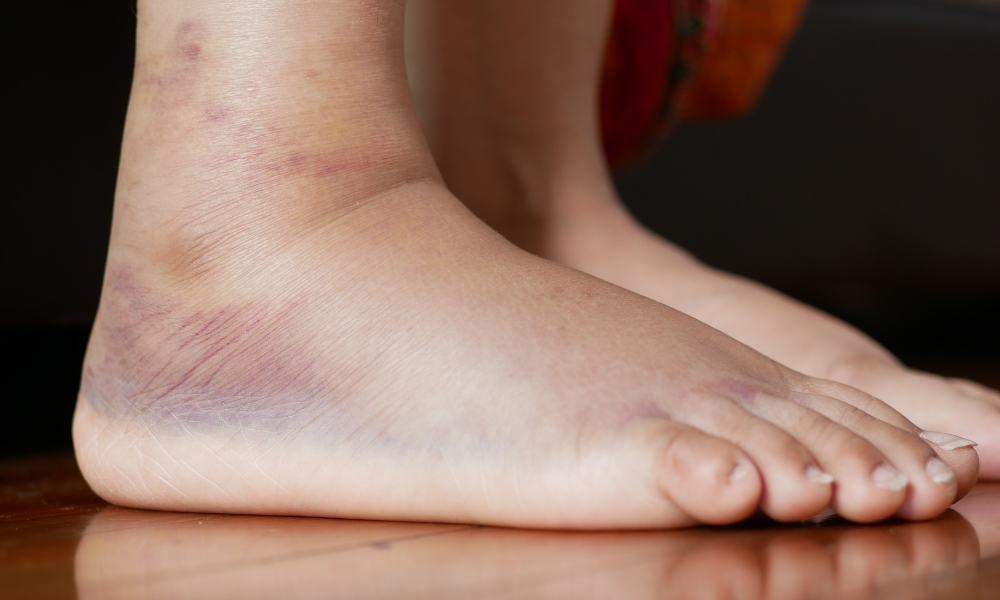
Can Standing or Sitting Too Long Cause Swollen Feet?
Yes. This is one of the most common and least serious causes of foot swelling.
People who spend long hours on their feet often notice swelling by late afternoon or evening. Teachers, nurses, retail workers, warehouse employees, and healthcare professionals frequently experience this type of swelling.
Similarly, people who sit for prolonged periods may also develop swelling because muscle activity helps push blood back toward the heart. Without regular movement, fluid can accumulate in the lower extremities.
You may notice:
- Puffiness around the ankles
- Tight shoes
- Sock indentations
- Heavier-feeling legs
- Mild discomfort
The swelling often improves after elevating the legs, walking, sleeping overnight, or wearing compression stockings.
Can Hot Weather Make Your Feet Swell?
Absolutely.
Many people notice increased foot and ankle swelling during hot weather, particularly during the summer months in Texas.
When temperatures rise, blood vessels naturally expand to help cool the body. This process, known as vasodilation, allows more fluid to move into surrounding tissues.
As a result, swelling may become more noticeable after:
- Outdoor activities
- Long walks in hot weather
- Extended periods outside
- Travel during warm months
Although this type of swelling is usually temporary, staying hydrated and avoiding prolonged standing can often help reduce symptoms.
Does Aging Cause Foot Swelling?
Aging itself does not directly cause swelling, but several age-related changes can increase the likelihood of fluid accumulation.
Over time, veins may become less efficient at moving blood back toward the heart. Muscle strength may decrease, circulation can become less effective, and chronic medical conditions become more common.
These factors may contribute to:
- Evening ankle swelling
- Leg heaviness
- Mild edema
- Increased sensitivity to prolonged standing
While mild swelling may occur more frequently with age, persistent swelling should never automatically be dismissed as “just getting older.”
Can Excess Weight Cause Swollen Feet?
Yes.
Excess body weight places additional pressure on the veins and circulation system. Over time, this added strain can make it harder for blood and fluid to move efficiently from the lower legs back toward the heart.
People carrying excess weight may notice:
- Swollen ankles after activity
- Foot swelling at the end of the day
- Leg fatigue
- Reduced exercise tolerance
- Aching lower extremities
Weight management often improves circulation and may help reduce swelling over time.
Patients concerned about weight-related health risks may benefit from obesity and weight management services.
Poor Circulation and Venous Insufficiency
One of the most common medical causes of swollen feet and ankles is chronic venous insufficiency.
This condition develops when vein valves become weakened or damaged. Normally, these valves help blood move upward toward the heart. When they stop functioning effectively, blood can pool in the legs.
The increased pressure causes fluid to leak into surrounding tissues, resulting in swelling.
Symptoms often include:
- Swollen ankles by evening
- Heavy legs
- Aching discomfort
- Visible varicose veins
- Skin discoloration
- Leg fatigue
Venous insufficiency becomes more common with age and often worsens gradually if left untreated.
Can Heart Problems Cause Swollen Feet?
Yes. One of the most important medical causes of persistent foot and ankle swelling is heart disease.
Your heart is responsible for pumping blood efficiently throughout the body. When the heart is not functioning as effectively as it should, fluid can begin to accumulate in different tissues, particularly in the legs, ankles, and feet.
This type of swelling is often more noticeable later in the day because gravity allows fluid to settle in the lower extremities.
Heart-related swelling may be accompanied by:
- Shortness of breath
- Fatigue
- Difficulty exercising
- Rapid weight gain from fluid retention
- Swelling in both feet and ankles
- Difficulty breathing when lying flat
Not every case of swollen feet indicates heart disease, but persistent swelling combined with these symptoms should prompt medical evaluation.
Patients with cardiovascular risk factors may benefit from heart disease follow-up care and regular cardiovascular monitoring.
Can Kidney Problems Cause Foot Swelling?
Yes.
The kidneys play a vital role in regulating fluid balance within the body. When kidney function becomes impaired, excess fluid and sodium may accumulate, leading to swelling.
Unlike swelling caused solely by prolonged standing, kidney-related swelling may persist throughout the day and may not fully resolve overnight.
Additional symptoms can include:
- Fatigue
- Changes in urination
- Elevated blood pressure
- Facial swelling
- Generalized fluid retention
Because kidney disease often develops gradually, some individuals do not realize they have a problem until swelling or other symptoms appear.
Routine primary care visits and laboratory testing can help identify kidney concerns early.
Can Liver Disease Cause Swollen Feet and Ankles?
Although less common than circulation-related causes, liver disease can contribute to swelling in the lower extremities.
The liver helps regulate proteins that maintain fluid balance within blood vessels. When liver function becomes impaired, fluid may leak into surrounding tissues more easily.
People with advanced liver disease may experience:
- Leg swelling
- Abdominal swelling
- Fatigue
- Easy bruising
- Yellowing of the skin or eyes
Because liver-related swelling usually occurs alongside other symptoms, healthcare providers often evaluate multiple body systems when determining the cause of edema.
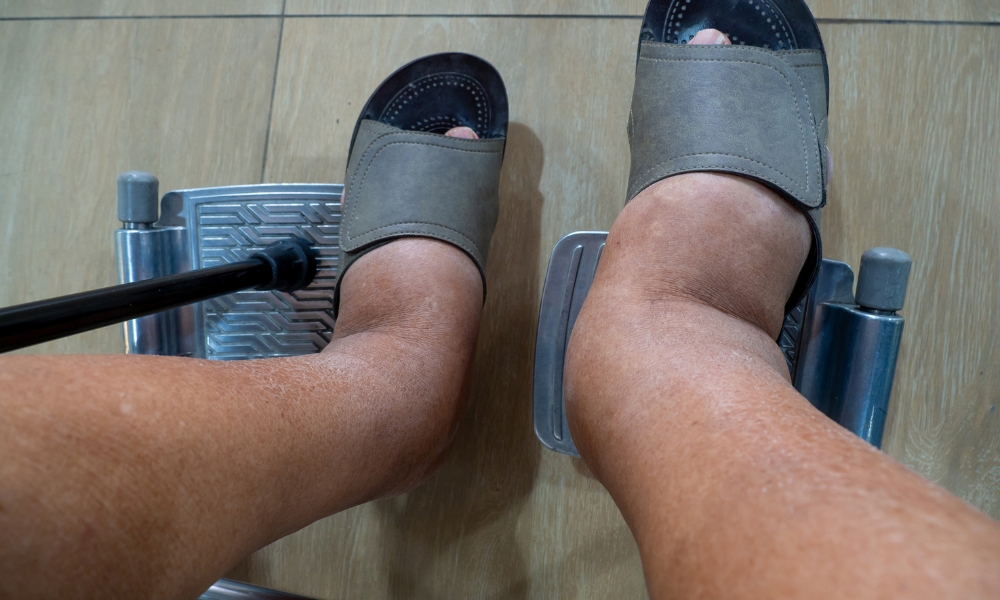
Can Medications Cause Swollen Feet?
Many people are surprised to learn that certain medications can contribute to swelling.
Some medications affect fluid retention, blood vessel function, or circulation.
Examples include:
- Certain blood pressure medications
- Anti-inflammatory drugs
- Steroids
- Hormone therapies
- Some diabetes medications
If swelling develops shortly after starting a new medication, it is important to discuss the symptom with your healthcare provider rather than stopping the medication on your own.
A medication review can often help identify potential contributors.
Can Pregnancy Cause Swollen Feet?
Yes. Swelling during pregnancy is extremely common.
As pregnancy progresses, the growing uterus places additional pressure on blood vessels that return blood from the legs toward the heart. Hormonal changes also contribute to fluid retention.
Many pregnant women notice:
- Ankle swelling
- Foot swelling
- Tight shoes
- Puffiness late in the day
Mild swelling is often considered normal during pregnancy. However, sudden or severe swelling, especially when accompanied by headaches, visual changes, or elevated blood pressure, requires immediate medical attention because it may indicate a serious condition called preeclampsia.
Can Diabetes Cause Swollen Feet?
Diabetes itself does not always directly cause swelling, but it can contribute to several conditions that lead to fluid retention.
People with diabetes may be at increased risk for:
- Kidney disease
- Poor circulation
- Heart disease
- Nerve damage
- Foot complications
Because foot health is especially important for individuals with diabetes, new or worsening swelling should not be ignored.
Patients managing diabetes may benefit from ongoing care through diabetes management services.
Can High Blood Pressure Contribute to Swelling?
High blood pressure and swelling are sometimes connected.
Although hypertension does not always directly cause swollen feet, it may contribute to cardiovascular and kidney changes that affect fluid balance over time.
Many people with hypertension experience no symptoms at all, which is why regular blood pressure monitoring remains important.
Individuals diagnosed with hypertension can benefit from ongoing management through hypertension care.
Important Note
Not all swollen feet indicate a serious medical problem. In many cases, swelling is related to standing, sitting, heat, or temporary fluid retention. However, persistent swelling, swelling that worsens over time, or swelling accompanied by symptoms such as shortness of breath, chest discomfort, or rapid weight gain deserves medical evaluation. Identifying the cause early often leads to more effective treatment and greater peace of mind.
When Should You Be Concerned About Swollen Feet?
Occasional mild swelling after a long day is common. However, certain symptoms should not be ignored.
You should contact a healthcare provider if you experience:
- Persistent swelling that does not improve overnight
- Progressively worsening swelling
- Painful swelling
- One leg significantly more swollen than the other
- Redness or warmth
- Skin changes
- Shortness of breath
- Chest pain
- Rapid unexplained weight gain
These symptoms may indicate a more significant underlying condition requiring prompt medical attention.
How Doctors Diagnose the Cause of Swollen Feet
Because many different conditions can cause swelling, diagnosis begins with a thorough medical evaluation.
Your healthcare provider may ask about:
- When the swelling occurs
- Whether one or both feet are affected
- Medication use
- Recent travel
- Medical history
- Heart and kidney health
- Associated symptoms
Depending on the situation, testing may include:
- Physical examination
- Blood pressure evaluation
- Blood tests
- Kidney function testing
- Heart testing
- Electrocardiogram (EKG)
- Imaging studies
The goal is not simply to treat swelling but to identify and address the underlying cause.
How Are Swollen Feet Treated?
The most effective treatment depends on the underlying cause of the swelling.
For people whose swelling is related to prolonged standing, sitting, heat exposure, or mild fluid retention, simple lifestyle changes may provide significant relief. However, if swelling is caused by heart disease, kidney problems, venous insufficiency, diabetes, or another medical condition, treatment must focus on managing that specific issue.
Common treatment approaches may include:
- Leg elevation throughout the day
- Regular walking and movement
- Compression stockings
- Reducing excess sodium intake
- Weight management
- Improved blood pressure control
- Management of chronic medical conditions
- Medication adjustments when appropriate
- Treatment of heart, kidney, or circulation disorders
Many patients experience noticeable improvement once the cause of the swelling is identified and addressed.
What Can You Do at Home to Reduce Foot Swelling?
For mild swelling that develops after long days on your feet, several practical strategies may help.
One of the simplest approaches is elevating your legs above heart level whenever possible. This helps gravity work in your favor, allowing fluid to move back toward the heart.
Regular movement is also important. If you spend long periods sitting at a desk, standing at work, or traveling, try to change positions frequently and walk periodically.
Additional measures include:
- Staying hydrated
- Limiting excessive sodium intake
- Maintaining a healthy weight
- Wearing properly fitted footwear
- Using compression stockings when recommended
- Avoiding prolonged inactivity
Although these measures may help manage mild swelling, persistent symptoms still warrant medical evaluation.
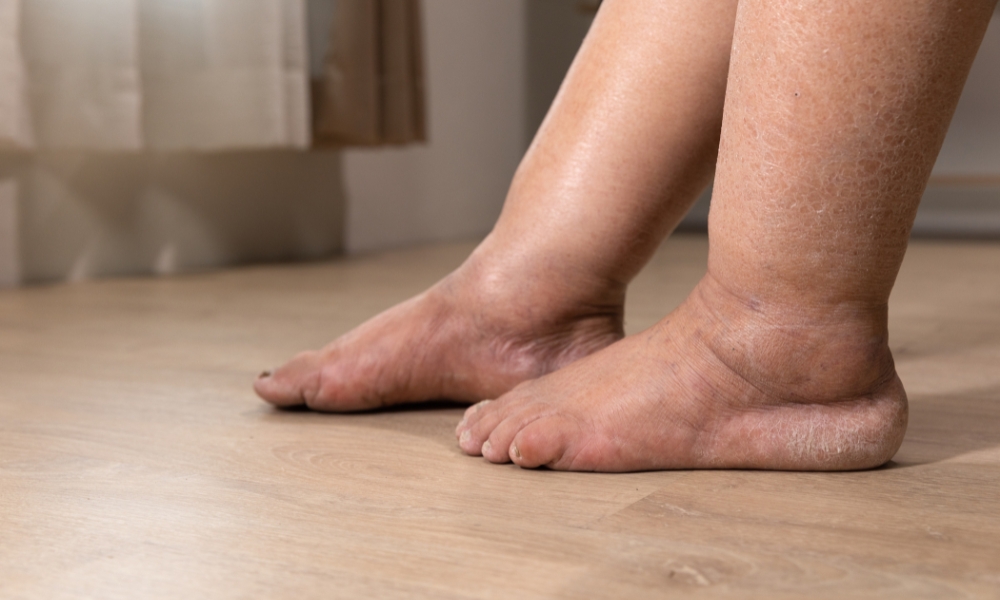
Can Swollen Feet Be Prevented?
Not every case of swelling can be prevented, but many risk factors can be reduced.
Preventive measures often focus on improving circulation and maintaining overall health.
Helpful habits include:
- Staying physically active
- Managing blood pressure
- Controlling diabetes
- Maintaining a healthy body weight
- Avoiding smoking
- Keeping medical conditions under control
- Attending routine primary care visits
- Seeking treatment when symptoms first appear
Prevention is particularly important for individuals with cardiovascular disease, diabetes, obesity, or chronic circulation problems.
Why Is One Foot Swollen but Not the Other?
This is an important distinction.
Swelling in both feet is often related to fluid retention, circulation issues, prolonged standing, or systemic medical conditions.
However, swelling affecting only one foot or one leg may suggest a different problem.
Potential causes include:
- Injury
- Infection
- Localized circulation problems
- Lymphedema
- Blood clot
Sudden swelling in one leg, especially when accompanied by pain, redness, warmth, or tenderness, requires prompt medical evaluation because it may indicate a deep vein thrombosis (DVT).
When Is Foot Swelling an Emergency?
Although most cases of foot swelling are not emergencies, some situations require immediate medical attention.
Seek urgent care if swelling occurs alongside:
- Chest pain
- Shortness of breath
- Severe leg pain
- Sudden one-sided swelling
- Fainting
- Bluish skin discoloration
- Rapid worsening symptoms
These symptoms may indicate a serious cardiovascular or circulatory problem requiring immediate evaluation.
Important Note
Many people live with swollen feet for months or even years before seeking medical advice because they assume it is simply part of aging or a consequence of standing all day. While that may sometimes be true, swelling can also be an early sign of conditions that respond best to early treatment. If swelling becomes frequent, persistent, or concerning, a medical evaluation can provide answers and peace of mind.
When to Seek Care in Katy, TX
If you experience recurring foot swelling, ankle swelling, leg heaviness, circulation concerns, or symptoms that interfere with daily activities, a comprehensive evaluation can help identify the cause.
At Medical Office of Katy, patients can receive evaluation and management for many conditions associated with swelling, including hypertension, diabetes, heart disease, obesity, circulation concerns, and chronic medical conditions.
Relevant services include:
- Primary Care in Katy
- Hypertension Treatment
- Diabetes Management
- Heart Disease Follow-Up Care
- Obesity and Weight Management
Patients throughout Katy, Richmond, Fulshear, and the greater West Houston area often seek medical evaluation when swelling becomes more frequent, uncomfortable, or associated with other health concerns.
Frequently Asked Questions
Why do my feet swell more in the evening?
Gravity causes fluid to gradually accumulate in the lower extremities throughout the day. This is why swelling often becomes more noticeable by evening.
Is it normal for feet to swell after standing all day?
Yes. Mild swelling after prolonged standing is common. However, persistent, painful, or worsening swelling should be evaluated by a healthcare provider.
Can dehydration cause swollen feet?
In some cases, dehydration may contribute to fluid retention because the body attempts to conserve water. However, dehydration is not one of the most common causes of foot swelling.
Does high blood pressure cause swollen feet?
High blood pressure may contribute indirectly through effects on the heart, kidneys, and circulation. Persistent swelling should be evaluated to determine the exact cause.
Can diabetes cause foot swelling?
Yes. Diabetes may contribute to swelling through its effects on circulation, kidney function, and cardiovascular health.
Should I be worried if only one foot is swollen?
One-sided swelling deserves medical attention, especially if it develops suddenly or is associated with pain, redness, or warmth.
When should I see a doctor for swollen feet?
You should seek evaluation if swelling is persistent, worsening, painful, associated with shortness of breath, or accompanied by other concerning symptoms.
Can heart failure cause swollen feet?
Yes. Swelling of the feet and ankles is a common symptom of heart failure and other cardiovascular conditions.
Final Thoughts
If you’ve been wondering, “Why do my feet swell at the end of the day?” the answer often involves fluid accumulation caused by gravity, prolonged standing, circulation changes, or fluid retention.
In many cases, mild swelling is temporary and manageable. However, recurring or worsening swelling can sometimes signal underlying health conditions such as venous insufficiency, heart disease, kidney disease, diabetes, obesity, or hypertension.
Because swollen feet can have many different causes, persistent symptoms should not be ignored. Identifying the underlying cause is often the first step toward effective treatment and improved long-term health.
Medical Disclaimer: This article is intended for educational purposes only and should not replace professional medical advice, diagnosis, or treatment. If you experience severe swelling, chest pain, shortness of breath, sudden one-sided swelling, or other emergency symptoms, seek immediate medical care.