
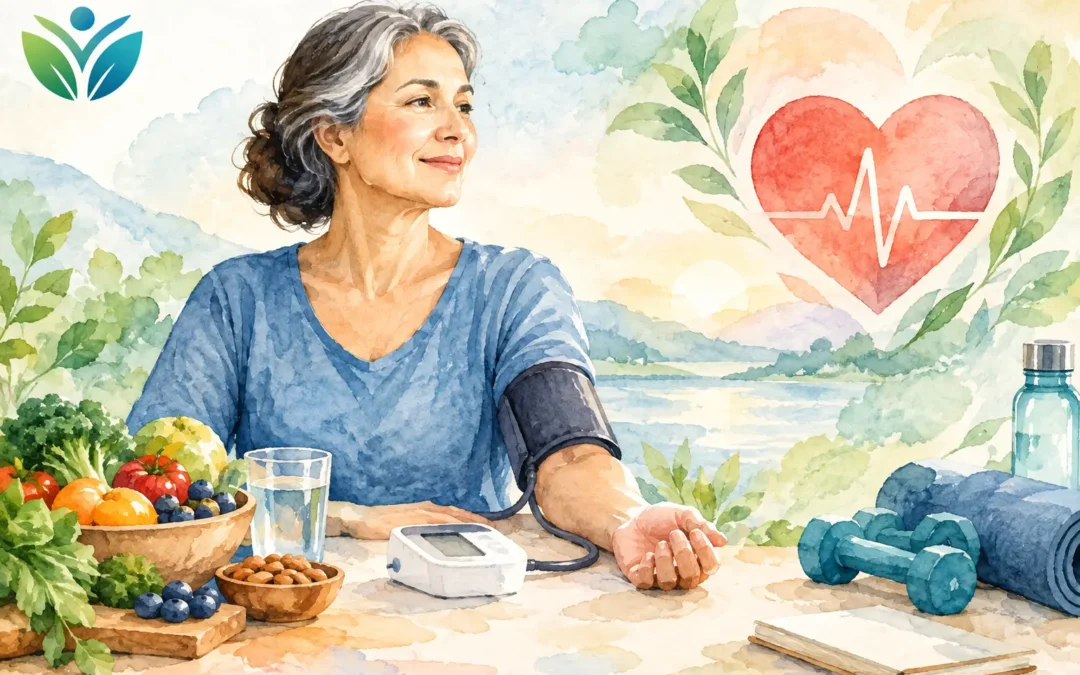
A blood pressure reading can feel like a small number on a chart, but consistently elevated readings place ongoing strain on the heart, blood vessels, brain, and kidneys. Learning how to manage hypertension is not about chasing a perfect reading overnight. It is about building a safe, personalized plan that lowers risk over time and fits your daily life.
High blood pressure often causes no noticeable symptoms. That is why regular monitoring and follow-up matter, especially for adults with diabetes, high cholesterol, excess weight, kidney disease, sleep apnea, or a family history of heart disease or stroke. With consistent care, many people can bring their blood pressure under better control and protect their long-term health.
Start with accurate blood pressure numbers
A single high reading does not always mean you have hypertension. Pain, stress, caffeine, nicotine, exercise, a full bladder, and even an incorrectly sized blood pressure cuff can temporarily raise a reading. Your clinician looks for patterns over time rather than relying on one number alone.
Home monitoring can provide useful information between appointments. Choose an upper-arm monitor that fits your arm correctly, and ask your care team to confirm that your device is accurate. Take readings at about the same times each day, ideally after sitting quietly for five minutes. Keep both feet on the floor, support your arm at heart level, and avoid caffeine, smoking, and exercise for at least 30 minutes beforehand.
Record the date, time, reading, pulse, and anything that may have affected the result, such as a stressful meeting or a missed medication dose. Bringing this log to your appointment helps your physician decide whether treatment is working or needs adjustment.
For many adults, a reading below 120/80 mm Hg is considered normal. Readings of 130/80 mm Hg or higher may require closer evaluation, depending on your health history and overall cardiovascular risk. Your personal target may differ based on age, kidney function, pregnancy, medications, and other conditions, so it should be set with your clinician.
How to manage hypertension with daily habits
Lifestyle changes are a meaningful part of hypertension care. They may lower blood pressure on their own in some patients and can make medication more effective when medication is needed. The goal is progress that can be sustained, not an all-or-nothing routine that lasts two weeks.
Make sodium reduction practical
Sodium is one of the most common challenges because much of it comes from restaurant meals, packaged foods, canned soups, sauces, deli meats, frozen meals, and snack foods. You do not have to eliminate flavor to reduce salt. Cooking more meals at home, comparing nutrition labels, choosing no-salt-added options, and using herbs, citrus, garlic, vinegar, or salt-free seasonings can make a real difference.
A low-sodium approach needs to be realistic for your household and culture. For some people, the first useful step is limiting fast food and processed meats. For others, it may be changing the way they season home-cooked meals. Small changes repeated consistently are more helpful than occasional strict restriction followed by frustration.
Choose a heart-supportive way of eating
A dietary pattern rich in vegetables, fruits, beans, whole grains, nuts, fish, and lean proteins supports heart health. It also provides potassium, magnesium, and fiber, which may be beneficial for many patients.
However, more potassium is not automatically safe for everyone. Patients with kidney disease or those taking certain blood pressure medications may need individualized guidance before using potassium salt substitutes or supplements. This is one reason comprehensive primary care matters: food advice should account for your lab results, medical history, and prescriptions.
Move regularly, within your abilities
Physical activity can help lower blood pressure, improve sleep, support a healthy weight, and reduce stress. Brisk walking, cycling, swimming, dancing, gardening, and strength training can all be useful. A common goal is 150 minutes of moderate activity each week, but beginning with 10-minute walks is still a worthwhile start.
If you have chest pain, severe shortness of breath, dizziness with activity, known heart disease, or have been inactive for a long time, ask your clinician what level of exercise is appropriate. The safest plan is one that respects your current health while helping you build capacity gradually.
Address weight, sleep, alcohol, and tobacco
Weight loss can reduce blood pressure for people who are overweight, even when the change is modest. A physician-guided weight management plan may be particularly helpful if weight, insulin resistance, or joint pain makes lifestyle changes difficult.
Poor sleep also deserves attention. Loud snoring, witnessed pauses in breathing, morning headaches, and excessive daytime tiredness can be signs of sleep apnea, a condition closely linked with difficult-to-control hypertension. Limiting alcohol, avoiding tobacco and nicotine products, and managing chronic stress are additional steps that can improve blood pressure and overall cardiovascular health.
Take blood pressure medication as prescribed
Many people need medication along with lifestyle changes. Needing medicine is not a personal failure. Hypertension is influenced by age, genetics, kidney health, hormones, sleep, and other factors that cannot always be corrected through diet and exercise alone.
Take your medication at the prescribed dose and time each day. A pill organizer, phone reminder, or linking the dose to a regular habit, such as brushing your teeth, can prevent missed doses. Do not stop a medication simply because your home readings improve. Better readings may be evidence that the treatment is working.
Side effects should be discussed promptly, not ignored. Some medications can cause ankle swelling, cough, fatigue, dizziness, or changes in potassium or kidney function. Often, the answer is an adjustment in dose, timing, or medication type. Stopping treatment suddenly without guidance can allow blood pressure to rise again and may increase risk.
Bring every prescription, over-the-counter medicine, vitamin, and supplement to your visits. Certain products can raise blood pressure or interfere with treatment, including some cold medicines containing decongestants, NSAID pain relievers such as ibuprofen or naproxen, stimulant medications, and some herbal products. Your physician or pharmacist can help you choose safer options.
Keep regular follow-up appointments
Hypertension management works best as an ongoing partnership. Follow-up visits allow your care team to review your readings, check for side effects, monitor kidney function and electrolytes when appropriate, and assess related risks such as diabetes and high cholesterol.
These appointments are also a chance to look beyond the blood pressure number. A person with hypertension may benefit from cholesterol testing, diabetes screening, weight support, sleep evaluation, or preventive care based on age and health history. Treating the full picture helps reduce the likelihood of heart attack, stroke, heart failure, and kidney disease.
If your numbers remain high despite taking medication, do not assume that nothing can be done. Your clinician may review technique, medication timing, sodium intake, sleep quality, kidney health, and possible secondary causes of hypertension. Resistant hypertension requires careful evaluation, but it can often be improved with a more tailored approach.
Know when high blood pressure is an emergency
Seek emergency care or call 911 if your blood pressure is 180/120 mm Hg or higher and you have symptoms such as chest pain, shortness of breath, severe headache, confusion, weakness or numbness, difficulty speaking, vision changes, or fainting. These symptoms can signal a serious medical emergency.
If you have a very high reading without symptoms, sit quietly and repeat it after a few minutes. Contact your medical office promptly for guidance rather than trying to correct it yourself with extra medication. Never double a dose unless a clinician has specifically told you to do so.
Hypertension is manageable, but it responds best to steady attention rather than occasional bursts of effort. A reliable monitoring routine, medications when prescribed, and regular conversations with a trusted primary care physician can turn a concerning number into a practical plan for protecting your health. For adults in Katy and nearby West Houston communities, the Medical Office of Katy can help make that plan personal, clear, and sustainable.