
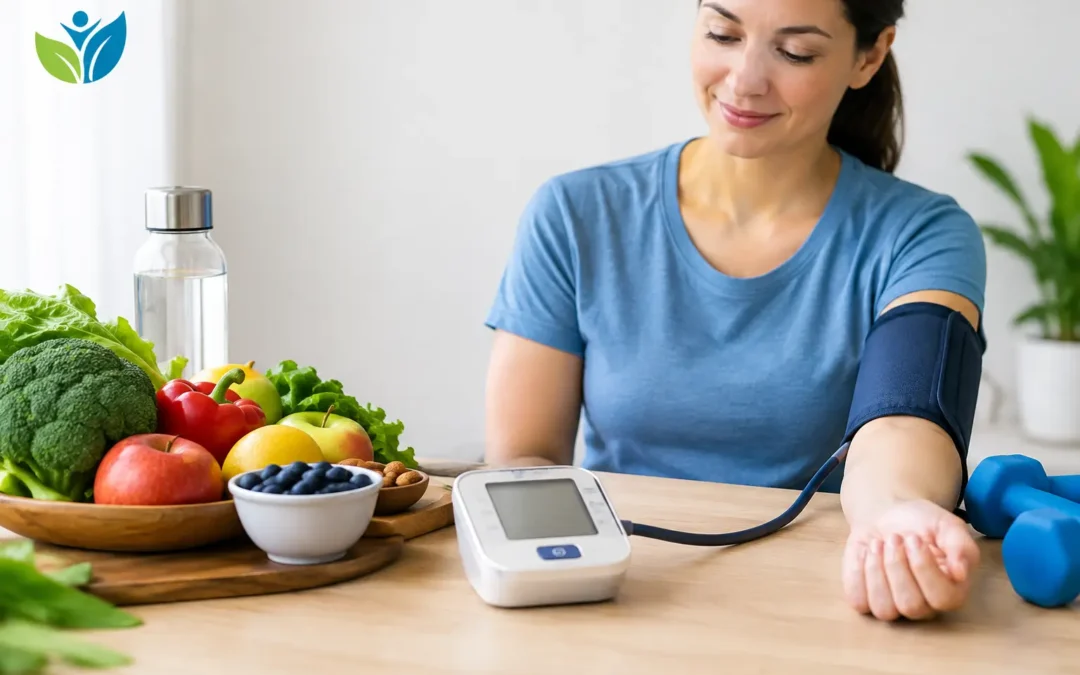
A blood pressure reading can look like a simple pair of numbers, but it reflects the ongoing workload on your heart and blood vessels. High blood pressure often has no noticeable symptoms, yet over time it can raise the risk of heart attack, stroke, kidney disease, and vision problems. The best ways to improve blood pressure are usually not quick fixes. They are practical, sustainable changes paired with regular monitoring and a care plan tailored to your health.
For many adults, the goal is not to make one perfect change overnight. It is to identify the factors affecting your readings, build habits that fit your life, and work closely with your primary care physician when medication or further testing is needed.
1. Know Your Numbers and Measure Them Correctly
Blood pressure is recorded as systolic pressure, the top number, over diastolic pressure, the bottom number. A single higher-than-usual reading does not always mean you have hypertension. Stress, pain, caffeine, exercise, illness, and even talking during the measurement can temporarily raise a reading.
Home monitoring can provide a more complete picture than an occasional office measurement. Use a validated upper-arm cuff that fits properly, sit quietly for five minutes before checking, keep both feet on the floor, and support your arm at heart level. Avoid smoking, caffeine, and exercise for at least 30 minutes beforehand when possible. Take two readings about one minute apart and record both.
Bring your log or device to appointments. Your physician can review patterns, confirm whether your cuff is accurate, and help determine a blood pressure target based on your age, medical history, diabetes status, kidney health, and cardiovascular risk.
2. Reduce Sodium Without Making Food Joyless
Reducing sodium is one of the most effective lifestyle approaches for many people with high blood pressure. The challenge is that most sodium does not come from the salt shaker. It is often found in restaurant meals, canned soups, deli meats, frozen entrees, sauces, packaged snacks, and fast food.
Start by reading labels and comparing similar products. Choose no-salt-added canned vegetables and beans when available, rinse canned foods, and flavor meals with herbs, citrus, garlic, vinegar, pepper, or salt-free seasoning blends. When eating out, ask for sauces and dressings on the side and consider choosing grilled or baked options over heavily processed or breaded foods.
You do not need to eliminate every favorite food. A realistic pattern you can maintain matters more than a very restrictive plan that lasts only a week. If you have heart failure, kidney disease, or another condition requiring a specific diet, follow the sodium guidance provided by your medical team.
3. Build Meals Around Foods That Support Heart Health
The DASH eating pattern, short for Dietary Approaches to Stop Hypertension, is supported by strong evidence. It emphasizes vegetables, fruits, beans, whole grains, nuts, lean proteins, and low-fat dairy while limiting foods high in saturated fat, added sugar, and sodium.
A useful place to begin is your plate. Fill about half with non-starchy vegetables or fruit, include a serving of lean protein such as fish, chicken, eggs, tofu, or beans, and add a high-fiber carbohydrate such as brown rice, oats, quinoa, or a sweet potato. These choices can support blood pressure, cholesterol, blood sugar, and weight management at the same time.
Potassium-rich foods may also help counter some of sodium’s effects for certain people. Bananas, oranges, potatoes, tomatoes, beans, yogurt, and leafy greens are common examples. However, people with kidney disease or those taking certain medications should ask their physician before increasing potassium substantially.
4. Move Consistently, Not Just Intensely
Physical activity helps the heart pump more efficiently and can lower blood pressure over time. The most helpful plan is one you can do consistently. For many adults, that means working toward at least 150 minutes of moderate activity each week, such as brisk walking, cycling, swimming, or dancing.
If that sounds like a major jump, begin with ten-minute walks after meals or a short morning walk several days a week. Those smaller sessions count. Strength training on two or more days per week can also support overall heart and metabolic health, provided it is appropriate for your condition.
Talk with your physician before starting a new strenuous routine if you have chest pain, shortness of breath, uncontrolled blood pressure, known heart disease, or significant joint limitations. Exercise should challenge you safely, not leave you feeling unwell.
5. Aim for Steady, Meaningful Weight Changes
If you are carrying excess weight, even modest weight loss can improve blood pressure. This is not about pursuing a certain appearance or following an extreme diet. It is about reducing strain on the heart and supporting a healthier metabolism.
Focus on repeatable routines: preparing more meals at home, including protein and fiber to stay full, limiting sugary drinks, and moving most days. Crash diets and unregulated weight-loss supplements can create more problems than progress, especially if you take medication or have diabetes, kidney disease, or heart concerns.
A primary care visit can help identify barriers that are easy to overlook, including thyroid issues, medication side effects, sleep apnea, insulin resistance, or emotional eating. A personalized weight management plan may be safer and more effective than trying to solve everything alone.
6. Protect Your Sleep and Address Sleep Apnea
Poor sleep can contribute to higher blood pressure, appetite changes, fatigue, and stress. Most adults benefit from seven to nine hours of regular sleep, but quality matters as much as duration. Establish a consistent bedtime, limit alcohol close to bedtime, keep screens out of the bedroom when possible, and make room for a wind-down routine.
Loud snoring, waking up gasping, morning headaches, and severe daytime sleepiness can be signs of obstructive sleep apnea. This condition is common and can make blood pressure difficult to control. Evaluation and treatment can improve sleep quality and may be an important part of your overall blood pressure plan.
7. Limit Alcohol, Avoid Tobacco, and Manage Stress
Alcohol can raise blood pressure, particularly when intake is frequent or heavy. If you drink, discuss what moderation means for your health with your physician. Some people should avoid alcohol altogether because of medications, liver disease, pregnancy, or other health concerns.
Tobacco and nicotine products raise blood pressure temporarily and damage blood vessels over time. Quitting is one of the strongest steps you can take for heart health at any age. Support may include counseling, nicotine replacement, or prescription treatment, depending on your needs.
Stress is not the sole cause of hypertension, but chronic stress can affect sleep, eating, activity, and medication routines. A daily walk, breathing practice, faith community, time with family, counseling, or a few protected minutes away from work can be useful. The right strategy is the one you will actually use when life gets busy.
8. Take Medication as Prescribed and Review It Regularly
Lifestyle changes and medication often work best together. If your physician prescribes blood pressure medicine, take it consistently, even when you feel well. Hypertension is often silent, so feeling normal does not mean treatment is no longer needed.
Do not stop or reduce medication on your own because home readings improve. Those readings may be improving because the treatment is working. Instead, share your log with your physician so adjustments can be made safely.
Also review all medications and supplements at visits. Nonsteroidal anti-inflammatory drugs such as ibuprofen or naproxen, certain decongestants, stimulant medications, steroids, and some herbal products may affect blood pressure. Your care team can help you find safer alternatives when appropriate.
When to Seek Prompt Medical Care
Call 911 for chest pain, severe shortness of breath, fainting, new weakness or numbness on one side of the body, difficulty speaking, sudden vision changes, or a severe headache with neurological symptoms. These may signal a medical emergency.
If your blood pressure is 180/120 or higher, sit quietly and recheck it after a few minutes. If it remains that high, contact a healthcare professional promptly. When severe readings occur with concerning symptoms, call 911 rather than waiting for an appointment.
At Medical Office of Katy, a long-term primary care relationship can make blood pressure management feel more manageable. Regular visits allow your physician to monitor trends, address related conditions such as diabetes or high cholesterol, review medications, and adjust your plan before a small concern becomes a larger one.
Your next blood pressure reading is not a grade. It is useful information. Bring it to your next visit, ask questions, and choose one change you can practice this week. Small, steady actions are often where lasting heart health begins.