

Most people have experienced stressful moments that seem to affect their entire body. Your heart may race before a big presentation. Your palms may sweat during an argument. You might even feel your pulse pounding when dealing with unexpected bad news.
During these moments, many people wonder whether stress is actually raising their blood pressure—or if it’s simply a feeling.
The answer is yes: stress can raise blood pressure. In fact, the body’s response to stress is designed to temporarily increase blood pressure as part of a survival mechanism known as the “fight-or-flight” response.
However, the relationship between stress and blood pressure is more complicated than many people realize. While temporary stress-related blood pressure spikes are common, ongoing stress may contribute to long-term health concerns that increase cardiovascular risk over time.
If you’ve been asking yourself, “Can stress raise blood pressure?” understanding how stress affects your body can help you better protect your heart and overall health.
Table of Contents
- Can Stress Raise Blood Pressure?
- How Stress Affects the Body
- Why Blood Pressure Rises During Stress
- Can Chronic Stress Cause Long-Term Problems?
- Symptoms of Stress-Related Blood Pressure Changes
- Can Stress Cause Hypertension?
- Stress vs Anxiety: What’s the Difference?
- Who Is Most at Risk?
- When Should You Be Concerned?
- How Doctors Evaluate Blood Pressure
- Managing Stress and Blood Pressure
- When to Seek Care in Katy, TX
- Frequently Asked Questions
Important Note
Stress affects everyone differently. While occasional stress is a normal part of life, frequent stress-related blood pressure spikes may place additional strain on the heart and blood vessels. Understanding the connection between stress and blood pressure can help you recognize symptoms early and take steps to support your long-term cardiovascular health.
Can Stress Raise Blood Pressure?
Yes.
Stress can cause temporary increases in blood pressure. When you encounter a stressful situation, your body releases hormones such as adrenaline and cortisol. These hormones prepare your body to react quickly by increasing heart rate, tightening blood vessels, and boosting blood flow to important organs and muscles.
As a result, blood pressure often rises during periods of emotional stress, anxiety, fear, frustration, or intense mental strain.
For most healthy individuals, blood pressure returns to normal once the stressful situation passes. However, repeated episodes of stress may contribute to patterns that negatively affect cardiovascular health over time.
How Does Stress Affect the Body?
Stress triggers a complex biological response designed to help humans survive dangerous situations.
When the brain perceives a threat—whether it’s physical danger, financial worries, work pressure, relationship problems, or health concerns—the nervous system activates the stress response.
This leads to the release of:
- Adrenaline
- Norepinephrine
- Cortisol
These hormones cause several immediate changes throughout the body:
- Increased heart rate
- Higher blood pressure
- Faster breathing
- Increased alertness
- Higher blood sugar levels
- Muscle tension
While these changes can be helpful in emergencies, constant activation of the stress response may place ongoing strain on the cardiovascular system.
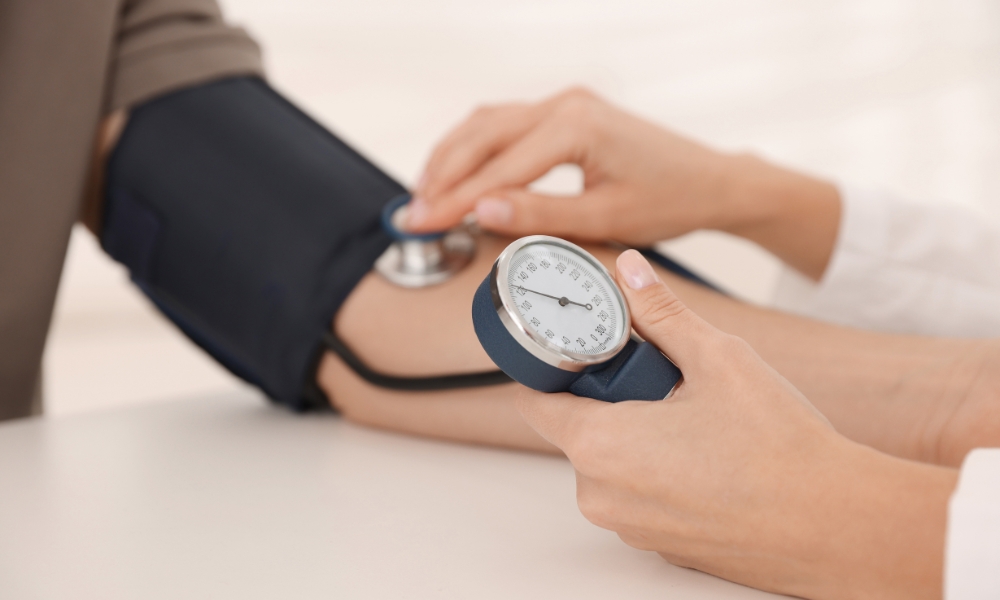
Why Does Blood Pressure Rise During Stress?
Blood pressure rises during stress because the body is attempting to increase circulation and prepare for action.
When stress hormones are released:
- The heart pumps harder and faster.
- Blood vessels narrow.
- Blood flow is redirected to essential organs and muscles.
These changes increase blood pressure, sometimes significantly.
For example, someone may have a normal resting blood pressure but experience temporary elevations during:
- Work deadlines
- Family conflicts
- Driving in heavy traffic
- Public speaking
- Medical appointments
- Unexpected emergencies
These temporary spikes are usually not dangerous by themselves, but frequent elevations may indicate a need for stress management and blood pressure monitoring.
Can Chronic Stress Cause Long-Term Health Problems?
This is where things become more complicated.
Researchers continue to study the exact relationship between chronic stress and long-term hypertension. While stress may not directly cause every case of high blood pressure, ongoing stress often contributes to behaviors and physiological changes that increase cardiovascular risk.
People experiencing chronic stress may be more likely to:
- Sleep poorly
- Exercise less
- Consume unhealthy foods
- Gain weight
- Smoke
- Drink excessive alcohol
- Develop anxiety or depression
Over time, these factors can contribute to sustained high blood pressure and other chronic health conditions.
Patients concerned about cardiovascular risk factors may benefit from regular high blood pressure management and ongoing primary care monitoring.
What Symptoms Can Occur When Stress Raises Blood Pressure?
Many people feel physical symptoms when stress causes a blood pressure spike.
Common symptoms may include:
- Rapid heartbeat
- Palpitations
- Chest tightness
- Headaches
- Neck tension
- Muscle tightness
- Flushed skin
- Dizziness
- Feeling overwhelmed
- Difficulty concentrating
However, it’s important to remember that high blood pressure itself often causes no symptoms at all.
This is why hypertension is frequently referred to as a “silent condition.”
Regular blood pressure checks remain essential, especially for adults with risk factors.
Can Stress Cause Permanent High Blood Pressure?
The answer is not entirely straightforward.
Stress alone may not directly cause chronic hypertension in every individual. However, repeated stress-related blood pressure elevations may contribute to long-term cardiovascular strain.
Additionally, the unhealthy habits that often accompany chronic stress can increase the likelihood of developing hypertension over time.
Risk increases when chronic stress combines with:
- Obesity
- Diabetes
- Poor sleep
- Physical inactivity
- Smoking
- Family history of hypertension
- Heart disease
For this reason, healthcare providers often consider stress management an important part of overall blood pressure control.
Stress vs Anxiety: Are They the Same Thing?
Although people often use the words stress and anxiety interchangeably, they are not exactly the same.
Stress is typically a response to an external situation. It may be triggered by work demands, financial concerns, family responsibilities, illness, or major life changes.
Anxiety, on the other hand, often involves persistent worry, nervousness, or fear that may continue even when a specific stressor is no longer present.
Both stress and anxiety can activate the body’s fight-or-flight response and temporarily raise blood pressure.
People experiencing anxiety may notice symptoms such as:
- Rapid heartbeat
- Chest tightness
- Shortness of breath
- Sweating
- Trembling
- Difficulty sleeping
- Racing thoughts
- Feeling on edge
Because anxiety symptoms can mimic certain heart-related symptoms, it is important not to assume every symptom is caused by stress. A medical evaluation can help rule out underlying cardiovascular conditions.
Individuals struggling with ongoing anxiety may benefit from discussing concerns with a provider familiar with anxiety and depression treatment.
Who Is Most Likely to Experience Stress-Related Blood Pressure Increases?
Anyone can experience temporary blood pressure elevations during stressful situations. However, some individuals may be more susceptible than others.
Risk factors include:
- Existing hypertension
- Heart disease
- Diabetes
- Obesity
- Poor sleep quality
- High-demand occupations
- Chronic caregiving responsibilities
- Mental health conditions
- Family history of cardiovascular disease
People with these risk factors often benefit from proactive monitoring and preventive healthcare.
Can Poor Sleep Make Stress and Blood Pressure Worse?
Absolutely.
Sleep and stress have a powerful two-way relationship. High stress levels can interfere with sleep, while inadequate sleep can increase stress hormones and contribute to higher blood pressure.
Individuals who consistently sleep fewer than the recommended hours may experience:
- Higher cortisol levels
- Elevated blood pressure
- Increased inflammation
- Greater cardiovascular risk
- Reduced emotional resilience
Many patients find themselves trapped in a cycle where stress affects sleep, and poor sleep worsens stress.
People experiencing chronic sleep issues may benefit from evaluation for sleep disorders.

Can Work Stress Cause High Blood Pressure?
Work-related stress is one of the most common causes of recurring blood pressure spikes.
Long hours, demanding deadlines, job insecurity, workplace conflicts, and constant digital connectivity can all contribute to ongoing stress.
Many people notice that their blood pressure readings are higher during particularly demanding periods at work.
While occasional stress is expected, persistent workplace stress can contribute to:
- Poor sleep
- Weight gain
- Reduced exercise
- Increased alcohol consumption
- Poor dietary habits
- Elevated cardiovascular risk
Recognizing these patterns early can help prevent long-term health consequences.
Can Emotional Events Cause Sudden Blood Pressure Spikes?
Yes.
Strong emotions can trigger dramatic short-term blood pressure increases.
Examples include:
- Receiving bad news
- Experiencing grief
- Major arguments
- Financial crises
- Unexpected emergencies
- Relationship stress
During these situations, adrenaline surges through the body and can cause noticeable increases in heart rate and blood pressure.
In healthy individuals, blood pressure generally returns to baseline after the emotional event passes.
However, frequent emotional distress may contribute to ongoing cardiovascular strain.
Important Note
If stress has been affecting your blood pressure, it does not automatically mean you have permanent hypertension or heart disease. Many stress-related blood pressure elevations improve when the underlying stressors are addressed. At the same time, recurring symptoms should not be ignored. Monitoring your blood pressure and discussing concerns with a healthcare provider can help determine whether temporary stress or a more persistent condition is contributing to your readings.
What Signs Suggest Stress May Be Affecting Your Health?
Sometimes stress becomes so familiar that people stop recognizing its effects on their bodies.
Warning signs that stress may be impacting your health include:
- Frequent headaches
- Difficulty sleeping
- Persistent fatigue
- Irritability
- Muscle tension
- Digestive issues
- Heart palpitations
- Frequent blood pressure spikes
- Difficulty concentrating
- Feeling overwhelmed most days
These symptoms do not necessarily mean serious disease is present, but they may indicate that your body is experiencing significant stress.
When Should You Be Concerned About Stress and Blood Pressure?
Temporary increases in blood pressure during stressful situations are common. However, certain situations warrant medical evaluation.
You should contact a healthcare provider if:
- Your blood pressure remains consistently elevated
- You frequently record high readings at home
- You experience chest pain
- You develop shortness of breath
- You experience dizziness or fainting
- You have severe headaches
- You have multiple cardiovascular risk factors
Blood pressure should never be ignored simply because stress seems like the obvious explanation.
How Do Doctors Determine Whether Stress Is Affecting Blood Pressure?
Healthcare providers typically begin with a thorough review of symptoms, medical history, medications, and lifestyle factors.
They may recommend:
- Repeated blood pressure measurements
- Home blood pressure monitoring
- Laboratory testing
- Cardiovascular evaluation
- Assessment of stress levels and mental health
- Review of sleep patterns
In some cases, diagnostic testing such as an EKG may be used to evaluate heart function and rule out other causes of symptoms.
The goal is to distinguish temporary stress-related elevations from chronic hypertension that requires ongoing management.
How Is Stress-Related Blood Pressure Managed?
Managing stress-related blood pressure changes involves two important goals: controlling blood pressure itself and reducing the underlying stress response that triggers spikes.
For many people, lifestyle adjustments play a major role in stabilizing both stress levels and cardiovascular health. When stress is reduced, blood pressure fluctuations often become less frequent and less intense.
Common medical and lifestyle approaches include:
- Regular blood pressure monitoring at home
- Improving sleep quality and sleep duration
- Reducing caffeine and stimulant intake
- Regular physical activity such as walking or light aerobic exercise
- Deep breathing and relaxation techniques
- Meditation or mindfulness practices
- Healthy dietary habits (low sodium, balanced nutrition)
- Limiting alcohol intake
- Medication when prescribed for hypertension
For individuals with persistent high readings, doctors may recommend antihypertensive medications alongside stress management strategies.
At Medical Office of Katy, patients often receive a combined approach that focuses on both physical and emotional health through hypertension management and preventive care.
Can Lifestyle Changes Really Lower Stress and Blood Pressure?
Yes—often significantly.
The body responds strongly to daily habits, which means even small changes can lead to noticeable improvements in blood pressure stability over time.
One of the most effective strategies is regular physical activity. Exercise helps reduce stress hormones, improve circulation, and strengthen the heart.
Even simple habits like daily walking can make a meaningful difference when done consistently.
Other helpful changes include:
- Creating a consistent sleep schedule
- Reducing screen time before bed
- Practicing relaxation breathing during stressful moments
- Staying socially connected
- Taking short breaks during work
These approaches not only improve blood pressure but also support long-term emotional well-being.

How Can You Prevent Stress From Affecting Blood Pressure?
While stress is unavoidable in life, how your body responds to it can be influenced and trained over time.
Preventing frequent stress-related blood pressure spikes involves building resilience and maintaining a stable lifestyle routine.
Helpful prevention strategies include:
- Prioritizing consistent sleep patterns
- Maintaining a balanced diet
- Engaging in regular physical activity
- Managing workload and setting boundaries
- Practicing relaxation techniques daily
- Avoiding excessive caffeine or stimulants
- Addressing mental health concerns early
Over time, these habits help the body respond more calmly to stressful situations.
Is a One-Time Blood Pressure Spike Dangerous?
In most cases, a single temporary spike in blood pressure is not dangerous on its own.
It is normal for blood pressure to rise during emotional stress, physical exertion, or sudden events. The body is designed to handle these short-term changes.
However, frequent or prolonged spikes may indicate that the cardiovascular system is under ongoing strain.
What matters most is the pattern over time rather than a single reading.
If elevated readings occur regularly, medical evaluation is important to determine whether hypertension is developing.
When to Seek Care in Katy, TX
If you notice repeated blood pressure fluctuations, stress-related symptoms, or difficulty managing anxiety and physical symptoms together, professional evaluation can help clarify what is happening in your body.
At Medical Office of Katy, patients receive personalized care for blood pressure concerns, stress-related symptoms, and cardiovascular risk factors.
Relevant services include:
- Primary Care in Katy
- Hypertension Treatment
- Anxiety and Stress Management
- EKG Heart Evaluation
- Comprehensive Patient Services
Patients in Katy, Richmond, Fulshear, and surrounding West Houston areas often seek evaluation when stress and blood pressure symptoms begin affecting daily life.
Frequently Asked Questions
Can stress really raise blood pressure instantly?
Yes. Stress activates hormones like adrenaline that can cause immediate increases in heart rate and blood pressure.
Does anxiety cause permanent high blood pressure?
Anxiety itself does not always cause permanent hypertension, but chronic anxiety can contribute to long-term cardiovascular strain.
How long does stress-related high blood pressure last?
In most cases, blood pressure returns to normal once the stressful situation passes.
Can deep breathing lower blood pressure?
Yes. Deep breathing activates the parasympathetic nervous system, which helps slow the heart rate and reduce blood pressure.
When should I worry about stress and blood pressure?
If elevated readings are frequent, persistent, or associated with symptoms like chest pain or shortness of breath, medical evaluation is recommended.
Can work stress cause hypertension?
Work stress may contribute indirectly by affecting sleep, diet, and long-term cardiovascular health.
Is it normal for blood pressure to rise during emotional events?
Yes. Emotional events commonly trigger temporary increases in blood pressure.
Final Thoughts
Stress can definitely raise blood pressure, but in most cases these increases are temporary and part of the body’s natural response system.
The concern arises when stress becomes chronic or when blood pressure remains elevated over time. In those cases, lifestyle factors, emotional health, and underlying medical conditions may all play a role.
Understanding the connection between stress and blood pressure helps you recognize early warning signs and take steps to protect your heart health before long-term complications develop.
Medical Disclaimer: This article is for educational purposes only and does not replace professional medical advice. If you experience persistent high blood pressure, chest pain, dizziness, or other concerning symptoms, seek medical care promptly.