
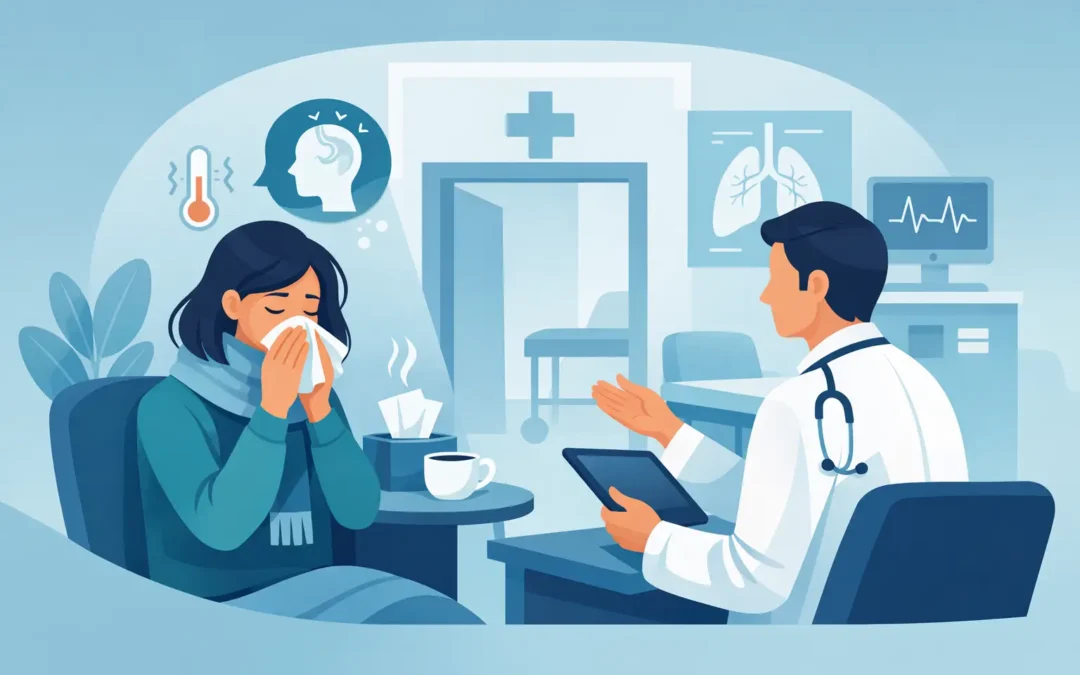
A fever that hits fast, body aches that make it hard to get out of bed, and a cough that seems to worsen by the hour can leave you wondering whether to rest at home or schedule a flu symptoms primary care visit. For many adults, that decision is not always simple, especially when work, family responsibilities, or chronic health conditions are part of the picture.
Influenza can look different from person to person. Some adults have a few miserable days and begin improving with rest, fluids, and over-the-counter symptom relief. Others develop more intense symptoms, complications, or a prolonged illness that deserves medical evaluation. Knowing when to be seen by a primary care physician can help you get the right treatment sooner and avoid unnecessary delays.
When a flu symptoms primary care visit is a good idea
Flu symptoms often come on more abruptly than a common cold. High fever, chills, fatigue, headache, sore throat, cough, and muscle aches are common. Some people also have nausea or diarrhea, though that is less typical in adults than in children.
A primary care visit is especially reasonable when symptoms are moderate to severe, when they are not improving after a couple of days, or when you are at higher risk for complications. That includes adults over 65, pregnant patients, and people with asthma, COPD, diabetes, heart disease, kidney disease, obesity, or weakened immune systems. In these groups, influenza can put more strain on the body and may trigger worsening of an existing condition.
Timing matters. Antiviral treatment is often most helpful when started early, usually within the first 48 hours of symptoms. That does not mean medical care is pointless after that window. If you have severe symptoms or you are in a higher-risk group, evaluation can still be worthwhile because your physician may recommend treatment, testing, or close monitoring based on your overall health.
Another reason to schedule a visit is uncertainty. Flu, COVID-19, RSV, bronchitis, strep throat, and pneumonia can overlap. If you are not sure what you are dealing with, a primary care office can help sort out the cause and guide the next step instead of leaving you to guess.
Signs your flu symptoms may need prompt medical attention
Some symptoms should not be brushed off as routine flu discomfort. Shortness of breath, chest pain, confusion, fainting, dehydration, or difficulty staying awake deserve urgent evaluation. If your fever is very high, keeps returning after it seemed to improve, or your cough becomes more productive with worsening weakness, that can suggest a complication such as pneumonia.
Adults with chronic illnesses should also pay attention to changes that go beyond typical flu symptoms. A patient with asthma may notice wheezing or increased inhaler use. A person with diabetes may see blood sugar becoming harder to control. Someone with high blood pressure or heart disease may feel unusually weak, dizzy, or short of breath. In these situations, the illness is not only about the virus itself. It is about how the virus interacts with the rest of your health.
If symptoms are severe or rapidly worsening, emergency care may be more appropriate than an office appointment. Primary care is an excellent setting for many flu evaluations, but chest pain, serious breathing trouble, blue lips, severe dehydration, or altered mental status should be treated as emergencies.
What happens during a flu symptoms primary care visit
One of the advantages of seeing a primary care physician is context. Instead of treating the illness in isolation, your doctor can look at your medical history, current medications, allergy profile, vaccination status, and chronic conditions all at once.
During the visit, your physician will review when symptoms started, how quickly they came on, whether fever is present, and whether you have been exposed to anyone sick. Your breathing, oxygen level, temperature, heart rate, and lung exam may help determine whether this looks like uncomplicated influenza or something that needs more attention.
Depending on the situation, testing may be recommended. That can include flu testing, COVID-19 testing, or other evaluation if symptoms point in a different direction. Not every patient needs every test. Sometimes the clinical picture is clear enough to begin treatment based on symptoms and risk factors.
If influenza is likely, your doctor may discuss antiviral medication, symptom control, hydration, and home care. If there are signs of a secondary infection or another diagnosis, the treatment plan may shift. This is one reason a physician-led evaluation matters. A cough with fever is not always just the flu, and the right diagnosis changes what helps.
When home care may be enough
Not every case of influenza requires an office visit. If you are generally healthy, your symptoms are mild to moderate, and you are staying hydrated without breathing problems, careful home management may be appropriate. Rest, fluids, acetaminophen or ibuprofen when medically appropriate, and limiting exposure to others are the basics.
Still, home care has limits. If you expected to improve and instead feel worse on day three or four, it is worth reassessing. The same is true if vomiting, weakness, persistent fever, or cough makes it difficult to function. Adults often try to push through the flu, especially during busy work weeks, but delaying care can make recovery harder if complications are developing.
A practical middle ground for some patients is a virtual visit. If symptoms are straightforward and you mainly need guidance, medication advice, or help deciding whether in-person evaluation is necessary, telemedicine can be a useful first step. If the physician is concerned about your breathing, oxygenation, or possible pneumonia, you can then be directed to come in.
Why primary care is different from one-time sick visits
When you feel awful, convenience matters. But so does continuity. A primary care practice knows your baseline health and can recognize when the flu is affecting more than just your respiratory symptoms.
That difference is meaningful for adults managing blood pressure, diabetes, asthma, high cholesterol, or other chronic conditions. A flu illness can disrupt medications, appetite, sleep, hydration, and blood sugar control. It can also leave lingering fatigue that may be confused with something else. In an established primary care setting, follow-up is easier, medication adjustments can be made more safely, and your recovery can be monitored in the context of your broader health.
This is also where same-day access makes a real difference. A community-based internal medicine practice such as Medical Office of Katy can often provide timely evaluation without fragmenting your care across multiple locations. For many patients, that means faster answers and a clearer plan.
Questions to ask during your visit
If you do come in, it helps to leave with a clear understanding of what to watch for at home. Ask whether your symptoms fit influenza alone or whether another infection is possible. Ask whether antiviral treatment makes sense for you, when you should expect improvement, and what signs mean you should call back or seek urgent care.
If you have a chronic condition, ask how the illness may affect it. Patients with diabetes may need more frequent glucose checks. Patients with asthma may need to review their action plan. Patients taking multiple medications may want guidance on over-the-counter products that are safe to combine with their usual prescriptions.
These conversations are not small details. They are part of preventing a short-term illness from becoming a bigger setback.
Protecting recovery and preventing spread
A good care plan does not end with the diagnosis. Influenza is highly contagious, and adults often return to normal routines too soon. Even if fever improves, energy levels and cough may linger. Going back to work, errands, or family gatherings before you are ready can slow your recovery and expose others.
Your physician can help you judge when it is safer to resume normal activity. In general, fever should be gone for at least 24 hours without fever-reducing medicine before returning to work or other public settings, but the advice may vary based on your symptoms and health status.
It is also worth remembering that prevention remains part of the conversation. Annual flu vaccination, hand hygiene, and staying home when sick still matter, especially for households with older adults or family members with chronic medical conditions.
If you are trying to decide whether your symptoms are manageable at home or serious enough to be seen, trust the pattern your body is showing you. Fast worsening, breathing changes, trouble staying hydrated, or a chronic condition that is getting harder to control are all good reasons to stop guessing and get medical guidance.