
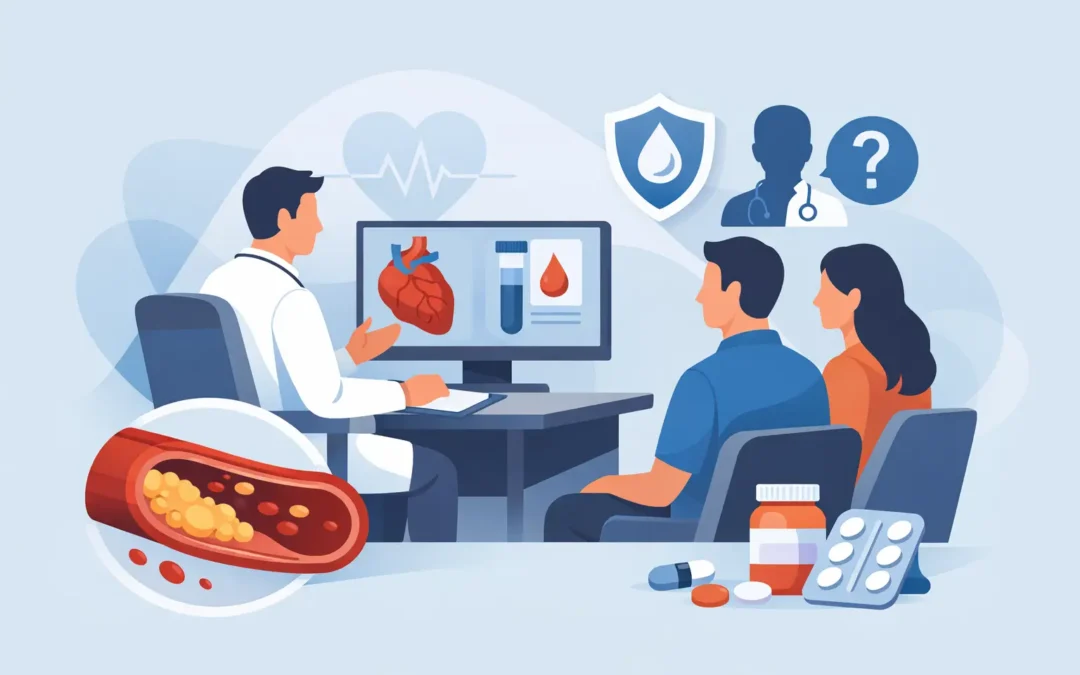
A lab report that shows high cholesterol can raise a lot of questions fast. Do you need medication right away? Is diet enough? And should you see a specialist, or can a primary care physician handle it? For many adults, the right high cholesterol treatment doctor is an internal medicine or primary care physician who can evaluate the full picture, explain your risk, and build a treatment plan that fits your health history.
What a high cholesterol treatment doctor actually does
High cholesterol is not treated based on one number alone. A physician looks at your LDL, HDL, triglycerides, age, blood pressure, blood sugar, family history, smoking status, weight, and whether you already have conditions such as diabetes or heart disease. That matters because two people with the same cholesterol panel may need very different treatment.
A high cholesterol treatment doctor does more than prescribe a pill. The job includes confirming the diagnosis, checking for causes that can worsen cholesterol, estimating cardiovascular risk, and deciding how aggressively to treat it. In many cases, your doctor will also screen for related concerns such as high blood pressure, obesity, prediabetes, diabetes, and fatty liver disease.
This is one reason continuity of care helps. Cholesterol often changes over time with age, menopause, weight gain, exercise habits, medications, and other medical conditions. Working with a physician who knows your history makes it easier to spot patterns and adjust treatment before a problem becomes more serious.
Which doctor should you see for high cholesterol treatment?
For most adults, a primary care physician or internal medicine doctor is the best place to start. These doctors routinely diagnose and manage high cholesterol, order lab testing, monitor treatment response, and coordinate care if other issues are involved. If your cholesterol is part of a broader pattern that includes hypertension, diabetes, weight concerns, or thyroid disease, primary care is especially valuable because all of those conditions affect each other.
A cardiologist may become involved if you already have heart disease, chest pain, stroke history, peripheral artery disease, or very high cardiovascular risk. An endocrinologist may help when cholesterol problems are tied to diabetes, thyroid disease, or complex metabolic issues. Some patients with very high LDL levels or a strong family history of early heart disease may need referral for possible familial hypercholesterolemia.
Still, many people do not need to start with a specialist. They need a physician who can assess risk carefully, explain options clearly, and follow them over time. That is often exactly what a board-certified internal medicine practice provides.
When to make an appointment
Some people come in after routine bloodwork at an annual exam. Others make an appointment after seeing abnormal results from urgent care, an employer screening, or home testing. Both are reasonable, but there are a few situations where scheduling a visit sooner rather than later makes sense.
If your LDL is very high, if triglycerides are significantly elevated, if you have diabetes, high blood pressure, kidney disease, or a family history of early heart attack or stroke, treatment decisions should not wait too long. The same is true if you have already been told to take cholesterol medication but stopped because of side effects or confusion about the plan. A good office visit can clarify what is really needed and whether another approach may work better.
Even if you feel well, high cholesterol deserves attention. It usually causes no symptoms until plaque buildup has already affected the arteries. That is why screening and follow-up matter.
What to expect at your visit with a high cholesterol treatment doctor
The first visit is usually straightforward, but it should be thorough. Your doctor will review your cholesterol numbers, previous lab trends, current medications, diet, activity level, family history, and any personal history of heart disease or stroke. Blood pressure, weight, and other vital signs are part of the picture too.
You may need repeat fasting or nonfasting bloodwork depending on what was already done. In some cases, your physician may also order tests for blood sugar, A1C, thyroid function, liver function, or kidney function. Those tests help identify related conditions and make sure treatment is both appropriate and safe.
This visit is also where a lot of misconceptions get cleared up. Patients often assume medication means they failed at lifestyle changes. That is not how physicians look at it. Sometimes nutrition and exercise can make a major difference. Sometimes they help, but risk remains high enough that medication is still the safer choice. Often it is both, not either-or.
Treatment is personalized, not one-size-fits-all
The best cholesterol treatment plan depends on your overall risk. If your cholesterol is only mildly elevated and you do not have major cardiovascular risk factors, your doctor may start with lifestyle changes and repeat labs after a reasonable interval. If your LDL is high, if you have diabetes, or if your estimated risk of heart attack or stroke is elevated, medication may be recommended earlier.
Lifestyle changes still matter
Lifestyle treatment is not a formality. It is a real part of care. Your doctor may talk with you about reducing saturated fats, limiting highly processed foods, improving fiber intake, choosing leaner proteins, increasing physical activity, managing weight, and addressing sleep and alcohol use where relevant.
The trade-off is that lifestyle change takes consistency and time. Some patients can lower cholesterol significantly with these steps. Others improve their numbers, but not enough to offset inherited risk or other medical conditions. That does not mean the effort was wasted. Even when medication is needed, healthier habits improve blood pressure, blood sugar, inflammation, and long-term heart health.
Medication can reduce risk effectively
Statins are commonly used because they have strong evidence for reducing heart attack and stroke risk. They are often the first choice, but not the only one. Depending on your numbers and medical history, your doctor may consider other options or combination therapy.
This is where individualized care matters. A patient with prior heart disease may need more aggressive LDL lowering than someone who is otherwise healthy. A patient with past side effects may need a different dose, a different medication, or a slower adjustment. Good treatment is not about forcing the same plan on everyone. It is about balancing safety, benefit, and what you can realistically maintain.
What if you are worried about side effects?
This concern is common, and it is worth discussing openly. Some patients tolerate cholesterol medication with no problem. Others notice muscle aches, digestive upset, or concerns based on things they have heard from friends or online. The right response is not to ignore those worries or stop treatment without guidance.
A careful physician will review what symptoms you are having, whether they are likely medication-related, and what alternatives exist. Sometimes the solution is as simple as adjusting the dose or changing the timing. Sometimes a different medication is a better fit. The goal is safe treatment that you can stick with, not a plan that looks good on paper but falls apart in real life.
Why primary care is often the best long-term approach
High cholesterol rarely exists by itself. It often travels with elevated blood pressure, extra weight, insulin resistance, diabetes, and sedentary habits. That makes primary care especially valuable because one physician can monitor all of these together instead of treating each issue in isolation.
For patients in Katy and nearby West Houston communities, that kind of coordinated care can save time and reduce confusion. A comprehensive internal medicine practice can often manage screening, repeat labs, medication follow-up, annual physicals, and chronic disease care under one roof. If specialist input is needed, your primary care physician can help guide that next step instead of leaving you to sort it out alone.
Medical Office of Katy approaches cholesterol care this way – as part of your broader health, not just a lab value. That patient-first model matters when treatment decisions affect your daily routine, your long-term heart risk, and your confidence in the plan.
Questions to ask your doctor
A good visit should leave you with clarity. Ask what your actual cardiovascular risk is, not just whether your cholesterol is high. Ask whether lifestyle changes alone are reasonable in your case, how soon labs should be rechecked, what LDL goal makes sense for you, and what side effects should prompt a call.
It also helps to ask how your other conditions affect your treatment plan. If you have diabetes, high blood pressure, or a strong family history, those details may change how aggressively your cholesterol should be managed. When patients understand the reason behind the recommendation, they are more likely to follow through.
If your cholesterol numbers have been drifting upward or you have been putting off follow-up, this is a good time to get answers from a physician who can look at the whole picture. The right plan should feel medically sound, realistic, and built for the long term.