

Feeling short of breath can be frightening, especially when it seems to come out of nowhere. Many people immediately reach for a pulse oximeter, expecting to see a low oxygen reading. When the device shows normal oxygen levels, the situation can become even more confusing. You know something feels wrong, yet the number on the screen suggests everything is fine.
The truth is that shortness of breath and oxygen levels are not always directly connected. A person can experience significant breathing discomfort while maintaining perfectly normal oxygen saturation. In fact, some of the most common causes of breathlessness do not lower oxygen levels at all.
If you’ve been asking yourself, “Why am I short of breath but oxygen is normal?” understanding the possible causes can help you recognize when symptoms may be temporary and when medical evaluation is important.
Table of Contents
- Can You Be Short of Breath with Normal Oxygen?
- How Breathing and Oxygen Levels Differ
- Common Causes of Shortness of Breath with Normal Oxygen
- Can Anxiety Cause Shortness of Breath?
- Asthma and Breathing Difficulties
- Heart-Related Causes
- Physical Deconditioning
- Can Anemia Cause Breathlessness?
- Can Excess Weight Affect Breathing?
- Respiratory Infections and Breathlessness
- When Should You Worry?
- How Doctors Diagnose the Cause
- Treatment Options
- When to Seek Care in Katy, TX
- Frequently Asked Questions
Important Note
Shortness of breath does not always mean your oxygen level is low. Many conditions can create the sensation of not getting enough air even when oxygen readings appear normal. Understanding the difference can help you recognize important symptoms early and seek appropriate medical evaluation when necessary.
Can You Be Short of Breath with Normal Oxygen Levels?
Yes, absolutely.
Many people assume that breathing difficulty automatically means oxygen levels must be low. However, the sensation of breathlessness is much more complex than oxygen saturation alone.
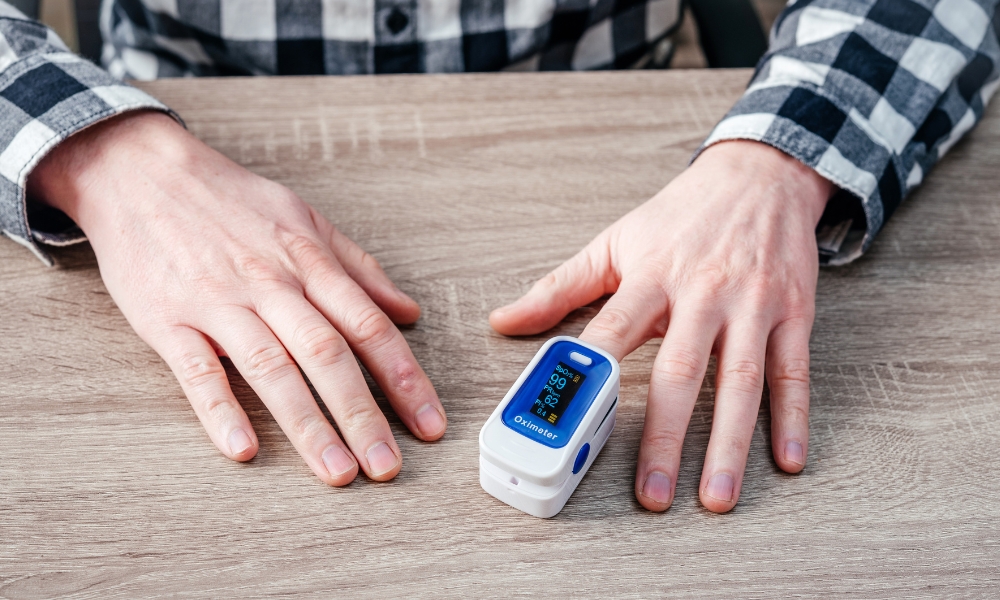
A pulse oximeter measures how much oxygen is attached to red blood cells, but it does not measure how hard your body is working to breathe. It also cannot detect every medical condition that causes breathing discomfort.
This means you may feel:
- Unable to take a deep breath
- Like you’re not getting enough air
- Chest tightness
- The need to breathe more frequently
- Breathlessness during activity
Even while maintaining oxygen saturation levels between 95% and 100%.
This is why normal oxygen readings should not automatically dismiss persistent or worsening breathing symptoms.
How Breathing and Oxygen Levels Are Different
To understand why this happens, it helps to know that breathing and oxygenation are related but separate processes.
Breathing involves moving air in and out of the lungs. Oxygenation refers to how effectively oxygen enters the bloodstream and reaches tissues.
A person may have:
- Normal oxygen levels
- Healthy lungs
- Adequate oxygen delivery
Yet still feel short of breath due to factors affecting breathing mechanics, heart function, muscle conditioning, anxiety responses, or other medical conditions.
Think of it this way: your oxygen monitor measures oxygen levels, but it doesn’t measure how comfortable breathing feels.
This distinction explains why normal oxygen readings don’t always provide the complete picture.
Common Causes of Shortness of Breath with Normal Oxygen
Several medical and non-medical conditions can create the sensation of breathlessness while oxygen levels remain normal.
Some causes are relatively harmless and temporary. Others require medical attention and treatment.
The most common causes include:
- Anxiety and panic attacks
- Asthma
- Physical deconditioning
- Anemia
- Heart conditions
- Respiratory infections
- Obesity
- Acid reflux
- Chronic lung conditions
- Medication side effects
The challenge is that many of these conditions can produce similar symptoms, making professional evaluation important when symptoms persist.
Can Anxiety Cause Shortness of Breath?
Yes. Anxiety is one of the most common causes of feeling short of breath despite normal oxygen levels.
When anxiety activates the body’s stress response, breathing patterns often change. Some people begin breathing faster than normal, while others become overly aware of every breath they take.
This can create sensations such as:
- Feeling unable to get a full breath
- Air hunger
- Chest tightness
- Frequent sighing
- The urge to take deep breaths repeatedly
Ironically, the more attention a person focuses on breathing, the more uncomfortable breathing may feel.
During panic attacks, symptoms can become intense enough that people fear they are having a heart attack or serious lung problem.
Although anxiety-related breathlessness can feel frightening, oxygen levels usually remain normal because the lungs continue functioning effectively.
Patients experiencing ongoing anxiety symptoms may benefit from evaluation through anxiety and depression care.
Can Asthma Cause Shortness of Breath with Normal Oxygen?
Yes, particularly during mild or moderate asthma flare-ups.
Asthma causes inflammation and narrowing of the airways. Even when oxygen levels remain normal, airway narrowing can create a sensation of restricted airflow.
Many patients report:
- Chest tightness
- Difficulty taking deep breaths
- Wheezing
- Coughing
- Breathlessness during exercise
Because asthma affects airflow rather than oxygen levels initially, pulse oximeter readings often remain normal until symptoms become more severe.
This is one reason why healthcare providers evaluate symptoms, physical examination findings, and lung function—not just oxygen saturation.
Individuals with ongoing respiratory symptoms may benefit from asthma evaluation and treatment.
Can Heart Problems Cause Shortness of Breath with Normal Oxygen?
Many people associate shortness of breath exclusively with lung conditions, but the heart plays a major role in breathing comfort as well.
Certain heart conditions may cause breathlessness even when oxygen levels appear normal.
Examples include:
- Heart rhythm abnormalities
- Early heart failure
- Coronary artery disease
- High blood pressure
- Valve disorders
In these situations, the issue may involve circulation, cardiac output, or the heart’s ability to meet the body’s demands rather than oxygen saturation itself.
Patients often notice symptoms during physical activity when the cardiovascular system is required to work harder.
Common warning signs may include:
- Shortness of breath with exertion
- Fatigue
- Chest discomfort
- Heart palpitations
- Reduced exercise tolerance
Heart-related symptoms should never be ignored, particularly if they are new, worsening, or accompanied by chest pain.
Patients with cardiovascular concerns may benefit from heart disease follow-up care.
Can Being Out of Shape Cause Shortness of Breath?
Yes. Physical deconditioning is one of the most overlooked causes of breathlessness, especially among adults who have become less active due to work schedules, illness, injury, or lifestyle changes.
When the body becomes deconditioned, the heart, lungs, and muscles become less efficient at handling physical activity. As a result, tasks that were once easy may suddenly leave you feeling winded.
You might notice shortness of breath when:
- Walking up stairs
- Carrying groceries
- Walking long distances
- Exercising after a long break
- Performing physically demanding work
In these situations, oxygen levels often remain completely normal because the lungs are functioning properly. The sensation of breathlessness comes from the body working harder than it is accustomed to.
The good news is that gradual increases in physical activity can often improve symptoms significantly over time.
Can Anemia Cause Shortness of Breath Even with Normal Oxygen?
Absolutely.
Anemia occurs when the body does not have enough healthy red blood cells or hemoglobin to transport oxygen effectively.
This creates an interesting situation. A pulse oximeter may show normal oxygen saturation because the available red blood cells are carrying oxygen properly. However, there may simply not be enough red blood cells overall to deliver adequate oxygen throughout the body.
This can result in:
- Shortness of breath
- Fatigue
- Weakness
- Dizziness
- Pale skin
- Reduced exercise tolerance
Many patients are surprised to learn that anemia can cause significant breathlessness despite normal oxygen readings.
Blood testing is often necessary to identify anemia and determine its underlying cause.
Can Excess Weight Affect Breathing?
Yes. Excess body weight can contribute to shortness of breath in several ways.
Additional weight increases the workload placed on the heart, lungs, and respiratory muscles. It may also limit the expansion of the chest wall and diaphragm during breathing.
Individuals carrying excess weight often notice breathlessness during:
- Walking uphill
- Climbing stairs
- Exercise
- Physical labor
- Long periods of activity
Oxygen levels frequently remain normal because the lungs continue to oxygenate the blood effectively. However, the increased physical demand can still create noticeable breathing discomfort.
Weight management strategies may help improve breathing capacity and overall cardiovascular health.
Patients interested in improving long-term health may benefit from the clinic’s weight management and obesity care services.

Can Respiratory Infections Cause Breathlessness Before Oxygen Drops?
Yes.
Respiratory infections often cause inflammation within the airways and lungs before oxygen levels become affected.
This means people may feel:
- Chest congestion
- Difficulty taking deep breaths
- Coughing
- Chest tightness
- Shortness of breath during activity
Even while maintaining normal oxygen saturation.
Common infections associated with breathing symptoms include:
- Colds
- Influenza
- Bronchitis
- COVID-19
- Pneumonia
As illness progresses, oxygen levels may eventually decrease in some cases. However, breathlessness often appears earlier.
Patients experiencing respiratory symptoms may benefit from evaluation through cold and flu treatment services, bronchitis care, or pneumonia evaluation depending on symptoms.
Can Acid Reflux Make You Feel Short of Breath?
Surprisingly, yes.
Acid reflux and gastroesophageal reflux disease (GERD) can sometimes trigger symptoms that mimic lung or heart problems.
When stomach acid irritates the esophagus, some individuals experience:
- Chest tightness
- A sensation of restricted breathing
- Chronic cough
- Frequent throat clearing
- A feeling of not getting enough air
These symptoms can be particularly noticeable after eating, when lying down, or during nighttime hours.
Because oxygen exchange in the lungs remains normal, pulse oximeter readings usually stay within a healthy range.
Can Sleep Disorders Cause Daytime Shortness of Breath?
Yes. Poor sleep quality can significantly affect how breathing feels during the day.
Conditions such as sleep apnea may contribute to:
- Daytime fatigue
- Low energy
- Reduced exercise tolerance
- Feeling winded more easily
- Difficulty performing physical activities
People with sleep disorders often attribute these symptoms to aging or stress, when an underlying sleep condition may actually be contributing.
Evaluation through sleep disorder services may be beneficial for individuals experiencing ongoing fatigue and breathing concerns.
Important Note
Feeling short of breath can be unsettling, but normal oxygen levels are generally reassuring. However, they do not automatically rule out medical conditions. If breathing difficulties are recurring, worsening, limiting daily activities, or accompanied by other concerning symptoms, professional evaluation is the safest approach.
When Should You Worry About Shortness of Breath?
While many causes of breathlessness are treatable, some symptoms require immediate medical attention.
You should seek urgent care if shortness of breath is accompanied by:
- Chest pain
- Severe chest pressure
- Fainting
- Confusion
- Bluish lips or skin
- Rapid worsening symptoms
- Difficulty speaking due to breathlessness
- Sudden onset of severe symptoms
These warning signs may indicate a serious heart, lung, or circulatory condition that requires prompt evaluation.
Even when oxygen readings appear normal, emergency symptoms should never be ignored.
How Doctors Determine the Cause of Breathlessness
Because so many different conditions can cause shortness of breath, diagnosis usually involves a comprehensive evaluation.
Healthcare providers often begin by reviewing:
- Medical history
- Current symptoms
- Activity limitations
- Medication use
- Smoking history
- Recent illnesses
A physical examination may focus on the lungs, heart, circulation, and overall respiratory function.
Additional testing may include:
- Blood work
- Chest X-rays
- Electrocardiogram (EKG)
- Pulmonary function testing
- Cardiac evaluation
- Oxygen saturation assessment
The goal is not simply to confirm normal oxygen levels but to identify the actual reason breathing feels difficult.
Treatment Depends on the Underlying Cause
Because shortness of breath with normal oxygen can have many different causes, treatment focuses on identifying and addressing the specific reason behind the symptoms.
For some people, treatment may involve improving physical conditioning through gradual exercise and lifestyle changes. Others may need treatment for asthma, respiratory infections, heart conditions, anemia, anxiety, or other medical issues.
The most effective approach begins with an accurate diagnosis.
Examples of treatments may include:
- Asthma medications and inhalers
- Treatment of respiratory infections
- Management of high blood pressure
- Anemia treatment
- Weight management programs
- Anxiety management strategies
- Cardiac evaluation and treatment
- Sleep disorder treatment
Many patients experience significant improvement once the underlying cause is identified and appropriately managed.
Can Shortness of Breath with Normal Oxygen Still Be Serious?
Yes.
Normal oxygen levels are reassuring, but they do not completely eliminate the possibility of a significant medical condition.
For example, early heart disease, asthma, anemia, anxiety disorders, pulmonary conditions, and several other health issues can cause noticeable breathing symptoms before oxygen levels become abnormal.
This is why healthcare providers consider the entire clinical picture rather than relying solely on pulse oximeter readings.
Factors that increase concern include:
- Symptoms worsening over time
- Breathlessness during minimal activity
- Chest pain
- Heart palpitations
- Fainting episodes
- Swelling in the legs
- Persistent cough
- Unexplained fatigue
If these symptoms occur, medical evaluation is recommended even if oxygen levels appear normal.

Can You Prevent Certain Causes of Breathlessness?
While not every cause can be prevented, many risk factors can be reduced through healthy lifestyle habits and preventive healthcare.
Helpful strategies include:
- Maintaining regular physical activity
- Managing chronic medical conditions
- Avoiding smoking and tobacco exposure
- Maintaining a healthy weight
- Getting recommended vaccinations
- Managing stress and anxiety
- Seeking treatment for respiratory illnesses promptly
- Attending routine primary care visits
Preventive healthcare often identifies medical issues before they progress enough to significantly affect breathing and overall health.
What a Pulse Oximeter Cannot Tell You
Home pulse oximeters are useful tools, but they have limitations.
They can measure oxygen saturation, but they cannot diagnose the cause of symptoms.
A pulse oximeter cannot reliably identify:
- Anxiety disorders
- Asthma severity
- Anemia
- Heart disease
- Physical deconditioning
- Acid reflux
- Certain infections
- Sleep disorders
Many people become falsely reassured by a normal oxygen reading and delay seeking care despite ongoing symptoms.
Breathing difficulty that persists deserves evaluation even when home oxygen measurements appear normal.
Important Note
If you feel short of breath but your oxygen level is normal, it does not mean your symptoms are imaginary or insignificant. Many legitimate medical conditions can cause breathing discomfort without lowering oxygen saturation. Paying attention to symptom patterns and seeking evaluation when symptoms persist is often the best way to protect your health.
When to Seek Care in Katy, TX
If you’re experiencing persistent shortness of breath, difficulty breathing during activity, unexplained fatigue, chest tightness, or recurring respiratory symptoms, a comprehensive medical evaluation can help identify the cause.
At Medical Office of Katy, patients can receive evaluation for a wide range of conditions that may contribute to breathlessness, including asthma, respiratory infections, heart-related concerns, chronic disease management, and preventive health screenings.
Relevant services that may help evaluate underlying causes include:
- Primary Care in Katy
- Asthma Treatment
- COPD Treatment
- Heart Disease Follow-Up Care
- Cold & Flu Treatment
Patients throughout Katy, Fulshear, Richmond, and the surrounding West Houston communities often seek care when breathing symptoms begin interfering with daily activities, exercise, work, or overall quality of life.
Frequently Asked Questions
Why do I feel short of breath if my oxygen level is 98%?
Normal oxygen levels do not rule out conditions such as anxiety, asthma, anemia, heart disease, respiratory infections, or physical deconditioning. Many causes of breathlessness occur without lowering oxygen saturation.
Can anxiety cause shortness of breath with normal oxygen?
Yes. Anxiety and panic attacks are among the most common reasons people experience breathlessness despite normal oxygen readings.
Can asthma cause normal oxygen levels?
Yes. Many mild and moderate asthma episodes cause noticeable breathing difficulty while oxygen levels remain normal.
Should I go to the doctor if my oxygen is normal but I feel short of breath?
If symptoms are persistent, worsening, recurring, or interfering with daily life, medical evaluation is recommended even when oxygen readings appear normal.
Can anemia cause shortness of breath?
Yes. Anemia can reduce oxygen delivery throughout the body despite normal oxygen saturation measurements, resulting in fatigue and breathlessness.
Can being overweight make me feel short of breath?
Yes. Excess body weight can increase the workload on the respiratory and cardiovascular systems, making physical activity more difficult.
What heart conditions cause shortness of breath with normal oxygen?
Conditions such as coronary artery disease, early heart failure, heart rhythm abnormalities, and high blood pressure can sometimes cause breathlessness before oxygen levels become abnormal.
When is shortness of breath an emergency?
Seek emergency care if breathlessness occurs with chest pain, fainting, confusion, severe symptoms, bluish lips, or rapidly worsening breathing difficulty.
Final Thoughts
If you’ve been wondering, “Why am I short of breath but oxygen is normal?” the answer is that oxygen saturation is only one piece of the puzzle.
Normal oxygen levels do not automatically rule out asthma, anxiety, heart disease, anemia, respiratory infections, physical deconditioning, sleep disorders, or other medical conditions that can affect breathing.
While some causes may be relatively harmless and temporary, others require medical attention and treatment. Persistent or worsening symptoms deserve evaluation, especially when accompanied by chest discomfort, fatigue, dizziness, or reduced exercise tolerance.
Understanding the difference between oxygen levels and breathing sensations can help you make informed decisions about your health and seek care when needed.
Medical Disclaimer: This article is intended for educational purposes only and should not replace professional medical advice, diagnosis, or treatment. If you experience severe shortness of breath, chest pain, fainting, confusion, bluish skin discoloration, or other emergency symptoms, seek immediate medical care.