
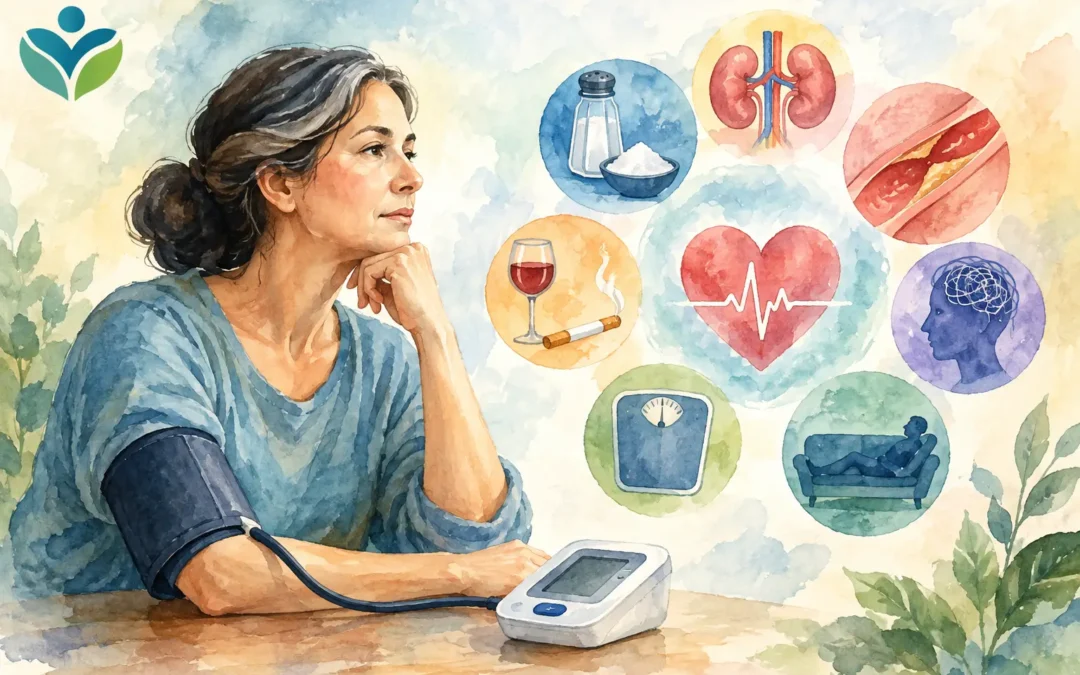
Blood pressure that stays high despite several medications can be frustrating and concerning. Resistant hypertension causes are not always a matter of a medication “not working.” Often, the answer involves blood pressure measurement, medication timing, other prescriptions or supplements, lifestyle factors, or an underlying medical condition that deserves attention.
Resistant hypertension should be evaluated carefully rather than treated by simply adding another pill. A thoughtful review can identify reversible contributors, protect against unnecessary medication side effects, and help create a safer long-term plan for heart, kidney, and stroke risk reduction.
What counts as resistant hypertension?
Resistant hypertension generally means blood pressure remains above an individual’s target while taking three blood pressure medications from different classes at appropriate doses. The usual combination includes a long-acting calcium channel blocker, an ACE inhibitor or ARB, and a diuretic. It can also describe blood pressure that is controlled only by taking four or more medications.
This definition is useful, but it does not mean every patient with high readings on several medications has “true” resistant hypertension. Doctors first look for apparent resistance: readings that seem uncontrolled because of inaccurate measurements, inconsistent medication use, a treatment plan that is not yet optimized, or high office readings that do not reflect blood pressure at home.
Your personal blood pressure goal may differ based on age, kidney disease, diabetes, heart disease, medication tolerance, and pregnancy status. That is why individual follow-up matters.
First, rule out false high readings
A blood pressure cuff that is too small can give a falsely high result. So can measuring immediately after walking in, talking during the test, sitting with unsupported feet, or having caffeine, nicotine, or exercise shortly beforehand. A proper reading is taken after several quiet minutes with the arm supported at heart level and an appropriately sized cuff.
Home measurements can be particularly helpful. Your clinician may ask you to bring your home monitor to an appointment to compare it with office equipment. Measuring at the same times each day and recording results provides a more useful pattern than relying on a single reading.
Some people have white coat hypertension, meaning blood pressure rises in a medical setting but is lower during daily life. In other cases, blood pressure is normal in the office but elevated at home or at work. A 24-hour ambulatory blood pressure monitor can clarify these patterns when the diagnosis is uncertain.
Medication-related resistant hypertension causes
Medication plans work only when they are practical, tolerated, and taken consistently. Missing doses can happen for understandable reasons: cost, refill delays, a complicated schedule, dizziness, fatigue, frequent urination, or uncertainty about which medicine is for what. Patients should be able to discuss these barriers without judgment. The solution may be a lower-cost option, a once-daily regimen, combination medication, or better management of side effects.
The regimen itself may also need adjustment. A diuretic that is not effective enough for a patient’s kidney function, an inadequate dose, or a medication combination that does not match the patient’s needs can leave blood pressure elevated. Do not change or stop medication on your own, even if readings are frustrating. Sudden changes can cause blood pressure to rise sharply or create other health risks.
Other medications and substances can raise blood pressure or interfere with treatment. Common examples include:
- Nonsteroidal anti-inflammatory drugs, such as ibuprofen and naproxen
- Decongestants containing pseudoephedrine or phenylephrine
- Stimulant medications, some weight-loss products, and excessive caffeine
- Corticosteroids, certain antidepressants, and some hormonal medications
- Nicotine, heavy alcohol use, cocaine, and amphetamines
Even over-the-counter products and “natural” supplements can matter. Bring a complete list of prescriptions, vitamins, teas, powders, injections, and as-needed medicines to your appointment. A medication review is one of the most practical steps in evaluating resistant hypertension.
Lifestyle factors that can keep blood pressure elevated
Lifestyle changes are not a substitute for needed medication, but they can significantly affect how well medication works. Sodium is a frequent issue, especially when it comes from restaurant meals, fast food, canned soups, sauces, deli meats, snack foods, and packaged meals rather than the salt shaker alone. Reducing sodium can be especially effective for people with resistant hypertension, though the right approach should fit the person’s overall nutrition needs.
Excess body weight, limited physical activity, regular heavy alcohol use, and poor sleep can also contribute. Many adults do not realize how strongly sleep affects blood pressure. Short sleep, disrupted sleep, and untreated sleep apnea can keep the nervous system activated and make hypertension harder to control.
Stress can temporarily raise blood pressure and can make healthy routines harder to maintain. However, stress alone should not be assumed to explain persistently high numbers. Ongoing hypertension still warrants a full medical evaluation.
Medical conditions that may be driving high blood pressure
When blood pressure stays elevated despite an appropriate medication plan, clinicians may look for secondary hypertension – high blood pressure caused or worsened by another condition. Testing is based on a patient’s symptoms, health history, examination, lab results, and medication response. Not every person needs every test.
Obstructive sleep apnea
Obstructive sleep apnea is among the most common secondary resistant hypertension causes. Breathing repeatedly pauses during sleep, lowering oxygen levels and triggering stress responses in the body. Loud snoring, witnessed pauses in breathing, morning headaches, dry mouth, daytime sleepiness, and difficulty concentrating can be clues, but some people have sleep apnea without obvious symptoms.
A sleep evaluation and treatment, such as CPAP when appropriate, may improve blood pressure control as well as energy and sleep quality.
Kidney disease and kidney artery narrowing
The kidneys play a central role in fluid balance and blood pressure regulation. Chronic kidney disease can make hypertension more difficult to manage, while uncontrolled hypertension can also damage the kidneys over time. Blood and urine testing helps assess kidney function and guides medication choices.
Narrowing of the arteries that supply the kidneys, called renal artery stenosis, is less common but may be considered in selected patients. Evaluation depends on the overall clinical picture, not just on a high blood pressure reading.
Hormone-related conditions
Hormones influence salt balance, fluid retention, and blood vessel tone. Primary aldosteronism, in which the body produces too much aldosterone, is more common than previously recognized among people with resistant hypertension. It may occur with low potassium, but potassium can also be normal.
Other less common causes include thyroid disorders, Cushing syndrome, and pheochromocytoma. Symptoms such as recurrent sweating, racing heart, severe headaches, unexplained weight changes, muscle weakness, or episodes of sudden blood pressure spikes may help guide testing. These symptoms have many possible causes, so a clinician should interpret them in context.
How a primary care evaluation can help
A comprehensive visit usually begins with confirming the blood pressure pattern and reviewing your full medication list. Your clinician may ask about home readings, missed doses, sleep quality, alcohol intake, sodium intake, pain relievers, and symptoms that suggest another condition. Basic laboratory testing may assess kidney function, electrolytes, blood sugar, cholesterol, and urine findings.
From there, care may include adjusting medications, simplifying the regimen, ordering targeted testing, coordinating a sleep study, or involving a specialist when appropriate. Continuity of care is valuable because blood pressure treatment is rarely settled in one visit. Trends over weeks and months reveal far more than one isolated number.
When to seek urgent care
Call 911 or seek emergency care for very high blood pressure accompanied by chest pain, shortness of breath, fainting, confusion, new weakness or numbness, trouble speaking, vision changes, or a severe sudden headache. These symptoms may signal a heart attack, stroke, or another emergency.
If your readings are repeatedly high without those symptoms, contact your primary care office promptly for guidance rather than waiting for your next routine visit. For adults in Katy and surrounding West Houston communities, Medical Office of Katy can help coordinate a careful review of persistent high blood pressure and the factors behind it.
The most useful next step is often simple: bring your blood pressure log, monitor, and every medication or supplement you use to an appointment. That shared information gives your care team the best chance to find a clear, workable path toward safer blood pressure control.