
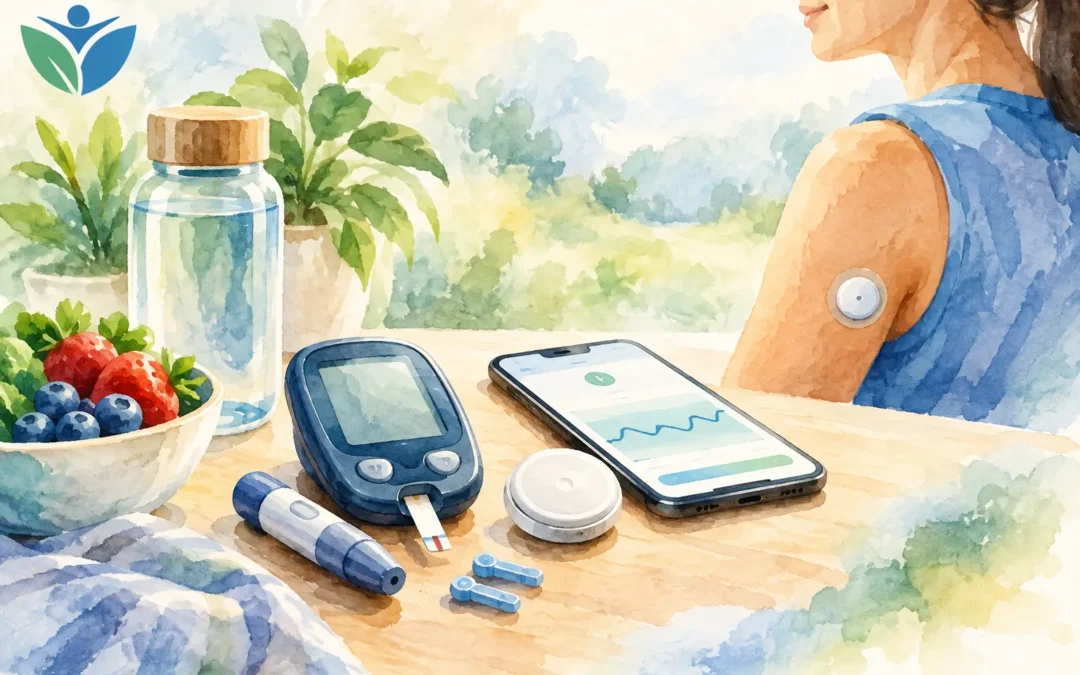
A glucose number can look simple, but what it means depends on the person, the time of day, recent meals, medication, activity, illness, and symptoms. The best diabetes monitoring tools do more than generate data. They help you and your physician recognize patterns early, make safer treatment decisions, and protect your long-term health.
For many adults, the right monitoring plan is not the most expensive or technologically advanced option. It is the one that fits your diagnosis, treatment, daily routine, insurance coverage, and ability to act on the results. A reliable plan may include a traditional glucose meter, a continuous glucose monitor, regular A1C testing, and attention to blood pressure, foot health, and other factors that affect diabetes outcomes.
Best Diabetes Monitoring Tools: What Each One Does
Blood glucose meters
A blood glucose meter, also called a glucometer, measures glucose from a small finger-stick blood sample. It remains a practical, accurate, and widely covered choice for people with type 1 diabetes, type 2 diabetes, gestational diabetes, or prediabetes who need to monitor glucose.
Meters are especially useful for checking a reading at a specific moment, such as before a meal, before driving, when you feel shaky or unwell, or when confirming a low reading from another device. Most are compact and straightforward, but the ongoing cost of test strips matters as much as the cost of the meter itself.
When choosing a meter, consider whether its strips are covered by your insurance, whether the screen is easy to read, and whether it can store or share readings. A meter that is affordable and consistently used is usually more helpful than one with extra features that becomes difficult to maintain.
Continuous glucose monitors
Continuous glucose monitors, or CGMs, use a small sensor placed under the skin to measure glucose in the fluid between cells throughout the day and night. Readings are typically sent to a phone, reader, or insulin pump. Instead of isolated results, CGMs show trends, direction arrows, and alerts for high or low glucose.
CGMs can be particularly valuable for people who use insulin, have frequent low blood sugar, experience low glucose overnight, have trouble recognizing hypoglycemia, or need a clearer picture of how meals and activity affect them. They can also reduce the burden of frequent finger sticks for many patients.
The trade-off is that a CGM may have insurance requirements, sensor replacement costs, phone compatibility concerns, and occasional differences from a finger-stick reading. If a CGM result does not match your symptoms or seems unexpected, a finger-stick check may be needed before treating a possible low glucose level. Your physician can help determine whether a real-time or intermittently scanned CGM is appropriate for your treatment plan.
A1C testing
A1C testing is one of the most useful long-term diabetes monitoring tools because it estimates your average glucose level over roughly the previous two to three months. It does not replace daily monitoring when daily monitoring is needed, but it provides a broader view of glucose management than a single reading can.
A1C results should be interpreted in context. Conditions such as anemia, kidney disease, recent blood loss, pregnancy, and certain blood disorders can affect accuracy. A person may also have a reasonable A1C while still experiencing significant highs and lows that deserve attention. Pairing A1C results with home readings or CGM trends gives your care team a more complete picture.
Ketone testing supplies
Ketone meters and urine ketone strips are essential for some people, especially those with type 1 diabetes or a history of diabetic ketoacidosis. Ketones can build up when the body does not have enough insulin and begins using fat for energy. This can become a medical emergency.
Your physician may recommend ketone testing during illness, vomiting, persistent high blood glucose, or when insulin delivery may have been interrupted. Blood ketone testing can provide more immediate information than urine strips, but either option should be used according to a personalized sick-day plan. Seek urgent medical care for symptoms such as vomiting, abdominal pain, rapid breathing, confusion, or persistent high glucose with ketones.
Monitoring Beyond Blood Sugar
Diabetes care is about much more than glucose. High blood pressure and abnormal cholesterol increase the risk of heart attack, stroke, and kidney disease, so home blood pressure monitoring may be recommended for many adults with diabetes. An upper-arm cuff that fits correctly is generally more dependable than a wrist device.
A scale can also be useful when weight management is part of the treatment plan, particularly for people using nutrition changes, activity goals, or medications that affect appetite or weight. The goal is not to react to every small fluctuation. It is to identify meaningful trends and discuss them without judgment.
Regular foot checks are another low-tech but vital form of monitoring. Diabetes can affect circulation and sensation, making small cuts, blisters, or pressure areas easier to miss. Check your feet daily for redness, swelling, cracks, sores, or changes in skin color. Report wounds that do not improve promptly, especially if there is drainage, warmth, increasing pain, or fever.
How to Choose the Right Monitoring Plan
The best device depends on the treatment decision it will support. Someone managing type 2 diabetes with lifestyle changes alone may not need the same testing frequency as someone taking multiple daily insulin injections. A person with frequent hypoglycemia may benefit from alerts, while a person who needs simple periodic checks may do well with a standard meter.
Start by discussing four practical questions with your healthcare provider: What readings are you trying to track? How often should you check? What numbers require action? How will the data be reviewed? Clear answers prevent monitoring from becoming stressful or confusing.
Cost and ease of use deserve careful attention. Confirm which meters, strips, sensors, and readers are covered by your plan before committing to a device. If you use a smartphone app, consider battery life, comfort with technology, privacy preferences, and whether a family member or caregiver needs access to the information.
It is also wise to bring your meter or CGM reports to appointments. A log that includes meals, medication timing, exercise, alcohol intake, illness, and symptoms can reveal patterns that numbers alone may miss. Even a few days of useful records can help guide a medication adjustment or a more realistic meal plan.
Use Numbers Safely, Not Fearfully
Monitoring works best when it supports informed action rather than self-criticism. A high reading is information, not a personal failure. Stress, poor sleep, infection, steroid medications, missed doses, and hormonal changes can all affect glucose, sometimes despite your best efforts.
Avoid changing prescription doses on your own unless your clinician has given you a specific adjustment plan. Ask for guidance on what to do for low blood sugar, repeated high readings, illness, travel, fasting, and changes in exercise. If you take insulin or a medication that can cause hypoglycemia, keep a fast-acting carbohydrate source available and make sure close family members know how to recognize symptoms.
For adults in Katy and surrounding West Houston communities, ongoing primary care can make monitoring less fragmented. At Medical Office of Katy, diabetes follow-up can include reviewing trends, medication safety, preventive labs, blood pressure, weight, and the screenings that help detect complications early.
The most helpful tool is ultimately the one that gives you usable information and connects that information to a plan you understand. Bring your questions, readings, and concerns to your next visit so your diabetes monitoring routine can support not only better numbers, but a safer and healthier life.