
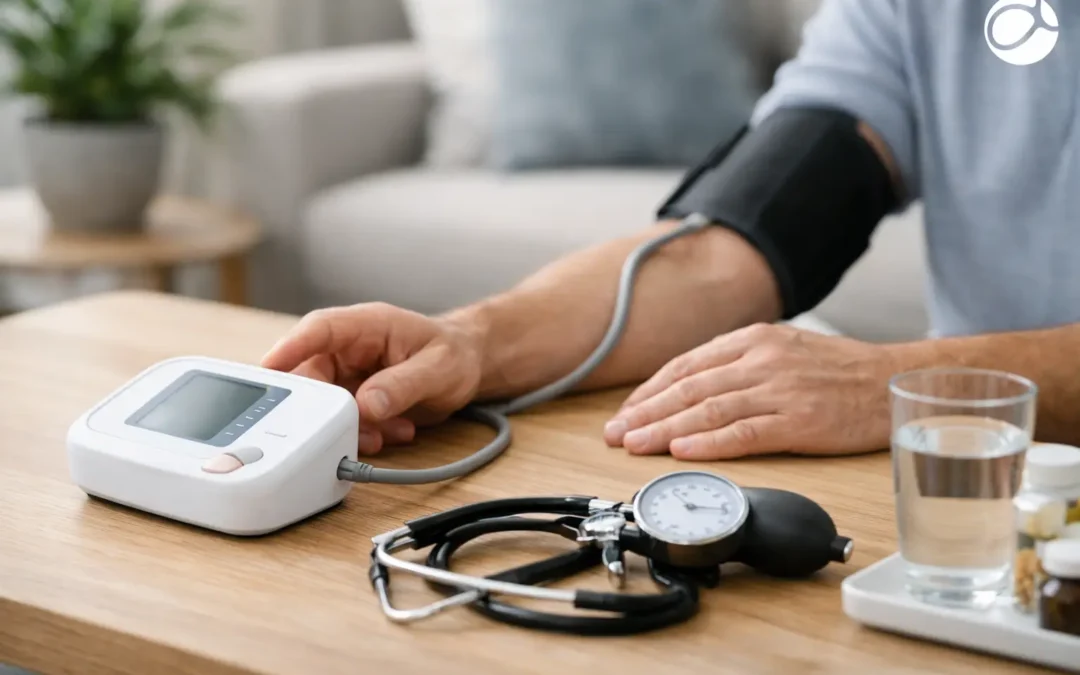
A single high reading can make anyone uneasy, especially if it happens during a stressful day or right before a doctor visit. That is one reason learning how to monitor blood pressure at home matters. Home readings often give a more realistic picture of your usual numbers and help your physician see patterns that one office visit alone might miss.
For many adults, blood pressure changes throughout the day based on stress, sleep, activity, pain, caffeine, meals, and medications. A home monitor does not replace medical care, but it can add helpful information. When used correctly, it supports earlier detection of hypertension, better medication management, and safer long-term care.
Why home monitoring matters
Blood pressure is not a fixed number. It rises and falls naturally, which is why one isolated reading should not be used to make assumptions. Some patients have higher readings in a medical setting because they feel anxious. Others may have normal office readings but elevated numbers at home. Both situations can affect diagnosis and treatment.
Home monitoring helps your physician look beyond a snapshot. It can show whether a treatment plan is working, whether numbers are consistently elevated, or whether symptoms like headaches, dizziness, or fatigue may be related to blood pressure changes. For adults managing diabetes, kidney disease, heart disease, or high cholesterol, this kind of tracking can be especially useful.
How to monitor blood pressure the right way
Good technique matters as much as the device itself. If the process is rushed or inconsistent, the numbers may be misleading.
Start with an automatic upper-arm monitor. In general, upper-arm cuffs are more reliable than wrist or finger devices. The cuff should fit properly, because a cuff that is too small or too large can change the reading. If you are not sure which size to buy, your primary care physician can help you choose one that matches your arm circumference.
Before checking your blood pressure, sit quietly for at least five minutes. Avoid caffeine, nicotine, exercise, and alcohol for about 30 minutes beforehand if possible. Empty your bladder first, since a full bladder can affect the reading. Sit in a chair with your back supported, both feet flat on the floor, and your legs uncrossed.
Rest your arm on a table so the cuff is at heart level. The cuff should go on bare skin, not over a sleeve. Once everything is in place, remain still and do not talk during the measurement. Talking, shifting position, or checking the reading while the machine is inflating can interfere with accuracy.
It is often best to take two readings, one minute apart, and record both. If the results are very different, take a third and note that as well. Many physicians prefer to look at a series of readings over several days rather than a single number.
The best times to check your blood pressure
Consistency is more important than frequency for most patients. If your doctor has not given you a specific schedule, a common approach is to check your blood pressure at the same times each day, such as once in the morning before medications and once in the evening.
Morning readings can be helpful because they are less affected by the demands of the day. Evening readings can show how your body is responding after work, meals, stress, or activity. If you are starting a new blood pressure medication or adjusting treatment, your physician may ask for more regular checks for a short period.
Checking too often can increase anxiety, especially if you repeat the test every few minutes after seeing a number you do not like. In that situation, more data does not always mean better data. A structured schedule usually provides clearer information.
What your readings mean
Blood pressure readings include two numbers. The top number, systolic pressure, measures the force in your arteries when your heart beats. The bottom number, diastolic pressure, measures the pressure between beats.
A normal reading is generally considered less than 120 over less than 80. Elevated blood pressure means the systolic number is 120 to 129 and the diastolic number is still under 80. High blood pressure is usually diagnosed when readings are consistently 130 over 80 or higher, though diagnosis and treatment decisions depend on your health history, age, risk factors, and repeated measurements.
This is where nuance matters. One elevated reading does not always mean hypertension. Pain, poor sleep, illness, anxiety, and even rushing in from the car can push numbers up. On the other hand, repeatedly high readings at home should not be ignored, even if you feel fine.
If your blood pressure is at or above 180 systolic or 120 diastolic, wait a few minutes and check again. If it remains that high, contact medical care promptly. If that reading comes with chest pain, shortness of breath, weakness, confusion, severe headache, or vision changes, seek emergency care right away.
Common mistakes that affect accuracy
A surprising number of home readings are off because of technique. The most common problem is checking blood pressure while multitasking. Sitting on the couch with crossed legs, talking on the phone, or measuring right after climbing stairs can all distort the result.
Cuff placement is another issue. If the cuff is loose, upside down, or positioned too low on the arm, the reading may not be reliable. The same is true if the cuff is worn over clothing.
Timing also matters. Taking your reading immediately after coffee or during a stressful moment may tell you more about that moment than about your usual blood pressure. That does not mean the number is meaningless, but it should be interpreted in context.
Finally, some patients rely on older devices that have never been checked for accuracy. If your monitor is several years old or gives inconsistent results, bring it to your next appointment and compare it with an office reading.
Keeping a blood pressure log that your doctor can use
The goal is not just to collect numbers. It is to collect useful information. Record the date, time, reading, and any notes that may explain unusual results, such as missed medication, illness, stress, poor sleep, or symptoms.
A simple written log works well. Some monitors store readings automatically, which can be convenient, but context still helps. For example, a number taken after rushing to a meeting is different from one taken after five quiet minutes at home.
If your physician asks you to monitor for a week, try to follow the same routine each day. Consistent timing and technique make it easier to spot trends and decide whether treatment should change.
When home monitoring is especially helpful
Home tracking can be valuable for adults who already have high blood pressure, but it is also useful for people with borderline readings, a family history of hypertension, or conditions that increase cardiovascular risk. Patients with diabetes, kidney disease, obesity, or prior stroke risk often benefit from more structured monitoring.
It can also help during medication changes. If you start a new prescription, your doctor may want to know whether your readings improve, stay the same, or drop too low. That last point matters. Blood pressure that falls too much can lead to dizziness, weakness, or falls, especially in older adults.
Pregnancy, new symptoms, and recovery after hospitalization may also call for closer follow-up. In those cases, home monitoring should be guided by a physician rather than done casually.
When to call your doctor
Call your doctor if your readings are repeatedly above the target range you were given, even if you feel well. Hypertension often causes no obvious symptoms, which is part of what makes it risky. You should also call if your readings are lower than usual and you feel lightheaded, faint, unusually tired, or unsteady.
If your blood pressure pattern changes suddenly, that is worth attention too. A gradual trend upward over weeks may suggest the need for lifestyle changes or medication adjustment. A sudden shift can point to illness, dehydration, medication effects, or another medical issue.
For patients in Katy and nearby West Houston communities, having an established primary care physician makes this process much easier. A doctor who knows your medical history can interpret your readings in context instead of reacting to one number alone.
Blood pressure numbers are only part of the picture
Home readings are helpful, but they are not the whole story. Blood pressure management also depends on sleep, sodium intake, physical activity, weight, stress, kidney function, medication adherence, and other conditions such as diabetes or high cholesterol. That is why treatment is rarely one-size-fits-all.
Some patients improve with lifestyle changes and regular follow-up. Others need medication, and sometimes more than one medication, to reach a safe range. Neither approach is a failure. The right plan is the one that protects your heart, brain, and kidneys over time.
Learning how to monitor blood pressure well can give you a clearer view of your health and help your doctor make better decisions with you. A calm routine, a reliable device, and consistent follow-up can turn a simple home reading into something far more valuable – a practical step toward safer, steadier long-term care.