
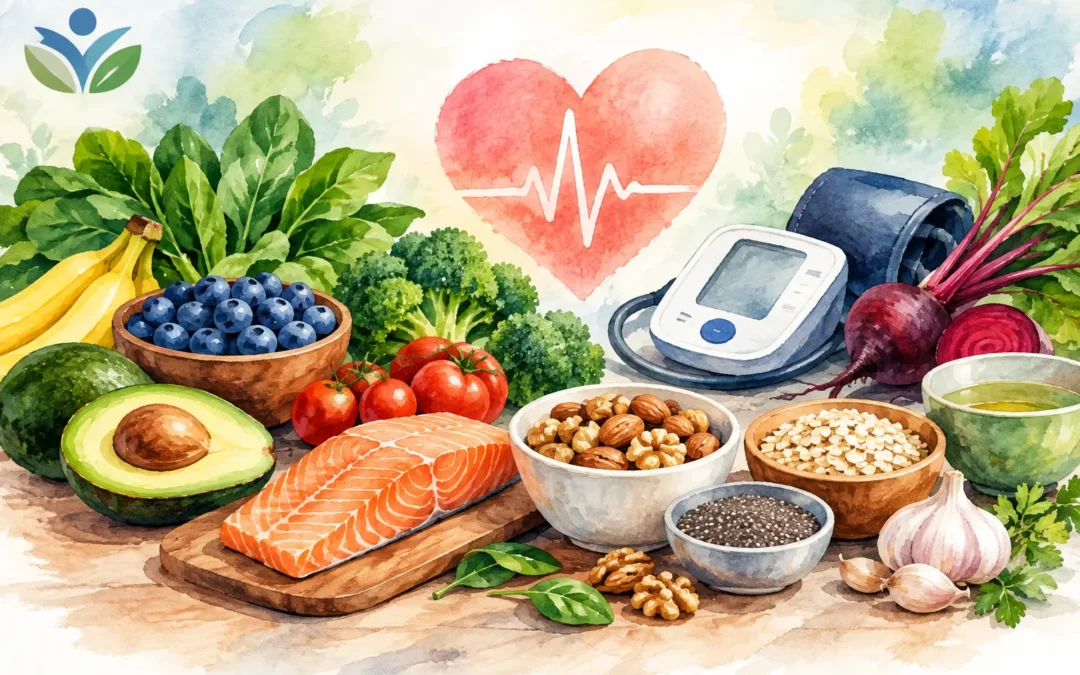
A blood pressure reading can look like just two numbers, but it reflects the daily work your heart and blood vessels are doing. The best foods for hypertension do not replace prescribed medication or medical follow-up, but they can make a meaningful difference when they become part of how you eat most days.
For many adults, the most helpful change is not finding one “superfood.” It is building meals around naturally low-sodium, fiber-rich foods while reducing the packaged, restaurant, and processed items that can quietly add large amounts of salt. This approach supports blood pressure, heart health, weight management, cholesterol control, and blood sugar balance at the same time.
How Food Can Affect Blood Pressure
High blood pressure, also called hypertension, causes the heart to work harder to move blood through the body. Over time, uncontrolled hypertension can raise the risk of heart attack, stroke, kidney disease, and vision problems. Because it often has no obvious symptoms, regular blood pressure checks remain essential.
Diet can influence blood pressure in several ways. Sodium may cause the body to retain fluid, increasing pressure in the blood vessels. Potassium helps balance sodium’s effects for many people, while fiber-rich foods can support a healthy weight and overall cardiovascular health. The DASH eating pattern – Dietary Approaches to Stop Hypertension – is built around these principles and is widely recommended for blood pressure management.
That said, nutrition is personal. Someone with kidney disease, heart failure, diabetes, or certain medications may need individualized guidance about potassium, fluids, or carbohydrates. A healthy food is not automatically appropriate in unlimited amounts for every medical condition.
12 Best Foods for Hypertension to Include Often
1. Leafy green vegetables
Spinach, kale, collard greens, romaine, and Swiss chard provide potassium, magnesium, and fiber with very few calories. Use fresh or frozen greens more often than canned varieties, which may contain added sodium. A handful of spinach in eggs, soup, or a smoothie is a practical place to start.
2. Beans and lentils
Black beans, chickpeas, kidney beans, and lentils offer plant protein and soluble fiber that can help meals feel filling. Choose no-salt-added canned beans when available, or rinse regular canned beans thoroughly before using them. They work well in salads, chili, grain bowls, and soups.
3. Berries
Blueberries, strawberries, raspberries, and blackberries bring natural sweetness, fiber, and beneficial plant compounds without the sodium found in many packaged snacks. Fresh and unsweetened frozen berries are both good choices. Try them with plain yogurt or oatmeal instead of pastries or sweetened cereal.
4. Citrus fruit
Oranges, grapefruit, clementines, and lemons can help add potassium and flavor without relying on salt. Lemon juice and zest are especially useful when seasoning chicken, fish, vegetables, and salads. If you take prescription medications, ask your clinician or pharmacist whether grapefruit could interact with them.
5. Bananas and other potassium-rich fruit
Bananas are convenient and affordable, but they are not the only option. Cantaloupe, kiwi, apricots, and avocado also contain potassium. For people with healthy kidney function, potassium-rich foods may support blood pressure control. People with kidney disease should check with their medical team before intentionally increasing potassium.
6. Plain yogurt or low-fat milk
Unsweetened yogurt and low-fat milk provide calcium, protein, and potassium. Look at the label because flavored yogurts can contain substantial added sugar. Plain Greek yogurt topped with fruit, cinnamon, and a small amount of nuts can be a satisfying breakfast or afternoon snack.
7. Oats and other whole grains
Oatmeal, brown rice, quinoa, barley, and whole-grain breads provide fiber that refined grains often lack. The goal is not perfection at every meal. Replacing a sugary breakfast pastry with oatmeal or choosing brown rice alongside dinner several times each week can be a realistic, valuable change.
8. Nuts and seeds
Unsalted almonds, walnuts, pistachios, pumpkin seeds, and chia seeds offer healthy fats, minerals, and fiber. Portion size matters because they are calorie-dense. A small handful of unsalted nuts or a tablespoon of seeds added to yogurt or oatmeal is usually enough to gain the benefit without turning a snack into a large meal.
9. Fatty fish
Salmon, trout, sardines, and mackerel contain omega-3 fats that support heart health. Bake, grill, or air-fry fish with herbs, garlic, lemon, and pepper rather than using heavy breading or salty bottled sauces. If choosing canned fish, compare labels and select lower-sodium options when possible.
10. Tomatoes
Fresh tomatoes, cherry tomatoes, and no-salt-added tomato products are versatile sources of potassium and flavor. The trade-off is that many jarred pasta sauces, canned soups, and tomato juices are high in sodium. Read the Nutrition Facts label rather than assuming a tomato-based product is automatically blood pressure-friendly.
11. Beets
Beets contain naturally occurring nitrates, which may support healthy blood vessel function. Roast them, add them to salads, or blend cooked beets into a smoothie with berries. Pickled beets can be high in sodium, so fresh or frozen beets are usually a better everyday choice for hypertension.
12. Olive oil and avocado
These foods provide unsaturated fats that can take the place of butter, shortening, or heavily processed dressings. Use olive oil for cooking or make a simple dressing with olive oil, vinegar, herbs, and citrus. Avocado can add creaminess to toast, salads, and sandwiches without the sodium found in many spreads.
Build Meals That Make Lower Sodium Easier
The foods above are most effective when they replace higher-sodium choices, not simply when they are added alongside them. For example, a bowl of oatmeal with berries is a stronger blood pressure-supporting breakfast than oatmeal followed by a salty breakfast sandwich. Grilled fish, brown rice, and roasted vegetables are often a better dinner choice than fried food with a bottled sauce.
At the grocery store, compare sodium per serving on similar products. Bread, canned soup, deli meat, frozen meals, condiments, cheese, and restaurant meals are common sources of sodium, even when they do not taste especially salty. Many adults with hypertension benefit from reducing sodium toward 1,500 milligrams per day, although your clinician can help determine a realistic and appropriate goal for you.
Flavor does not have to disappear when salt comes down. Garlic, onion, black pepper, cumin, smoked paprika, vinegar, lemon, lime, fresh herbs, and salt-free seasoning blends can make meals satisfying. Give your taste buds time to adjust. Foods that initially seem less salty often become more flavorful after a few weeks of gradual changes.
When Diet Needs Medical Support
Healthy eating is one part of blood pressure care, alongside regular activity, sleep, stress management, maintaining a healthy weight when appropriate, and taking medication as prescribed. Do not stop or reduce a blood pressure medicine because your readings improve without discussing it with your physician.
Home blood pressure monitoring can help show whether lifestyle changes and treatment are working. Bring your readings to routine appointments, especially if they are consistently above your target or if you notice dizziness, fainting, chest pain, shortness of breath, severe headache, weakness, or changes in vision. These symptoms may require prompt medical attention.
Small food choices repeated over time can protect more than a blood pressure number. If you need help creating a realistic plan around hypertension, diabetes, kidney health, or weight concerns, a primary care visit can turn general nutrition advice into care that fits your health history and daily life.